N° 03 — A catalogue of silhouettes
Formal pants, eight ways.
From the classic pressed trouser to the contemporary tapered cut, each style of men’s formal pants has its own proportions, character and ideal setting. Here is how they differ and who each one suits.
Classic Formal Pants
The reference trouser of men’s formal dress, cut from the same tradition as the suit.
A classic formal pant sits at or close to the natural waist, falls in a straight or gently tapered line and carries a sharp pressed crease down the centre of each leg. There is comfortable room through the seat and thigh, so the cloth drapes rather than clings. The length usually gives a slight break over the shoe.
Because it borrows its proportions from suit tailoring, the classic trouser looks right with structured jackets, formal shirts and leather lace-ups. It is the safest choice for interviews, formal business settings and ceremonies, and a good foundation for any professional wardrobe.
- RiseMid to high
- LegStraight, with room through the thigh
- Best forFormal offices, interviews, ceremonies
- SuitsMost builds; especially taller and broader frames
Slim Fit Formal Pants
Closer to the body, cleaner in line, and firmly contemporary.
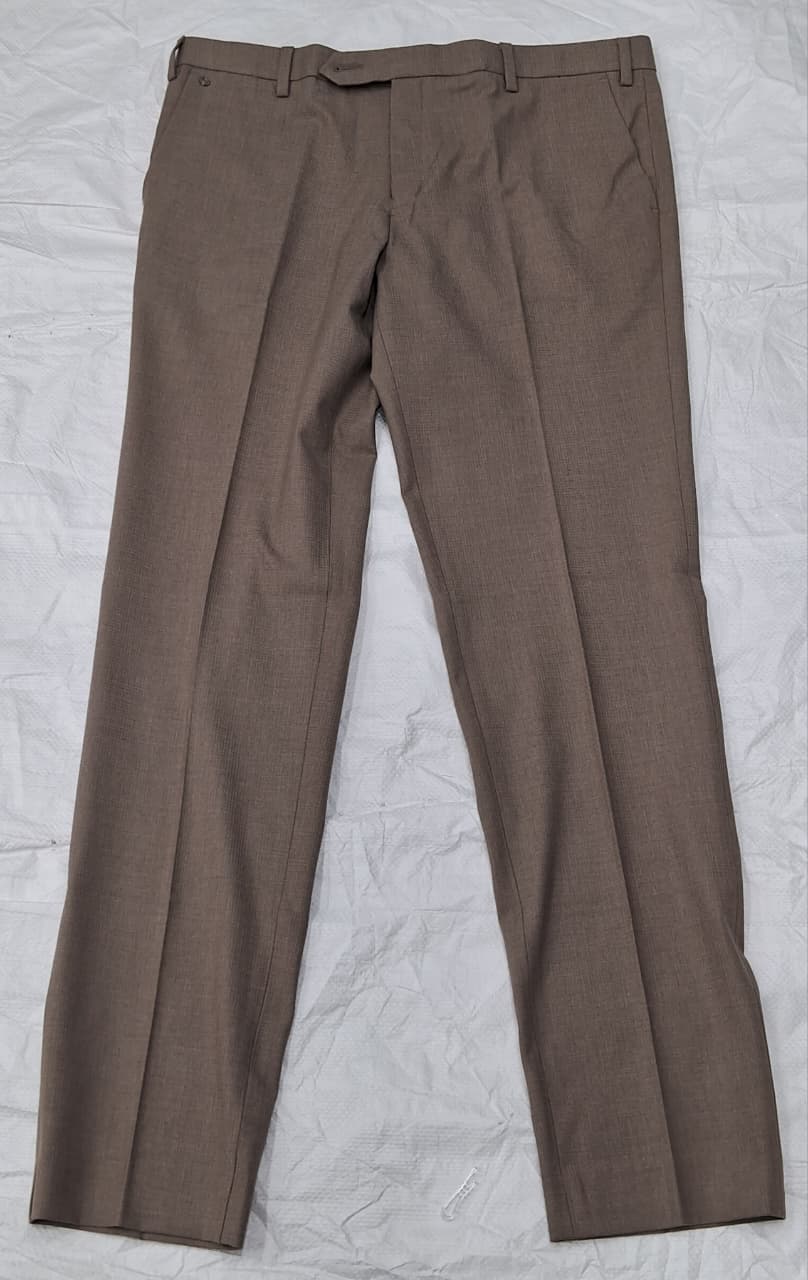
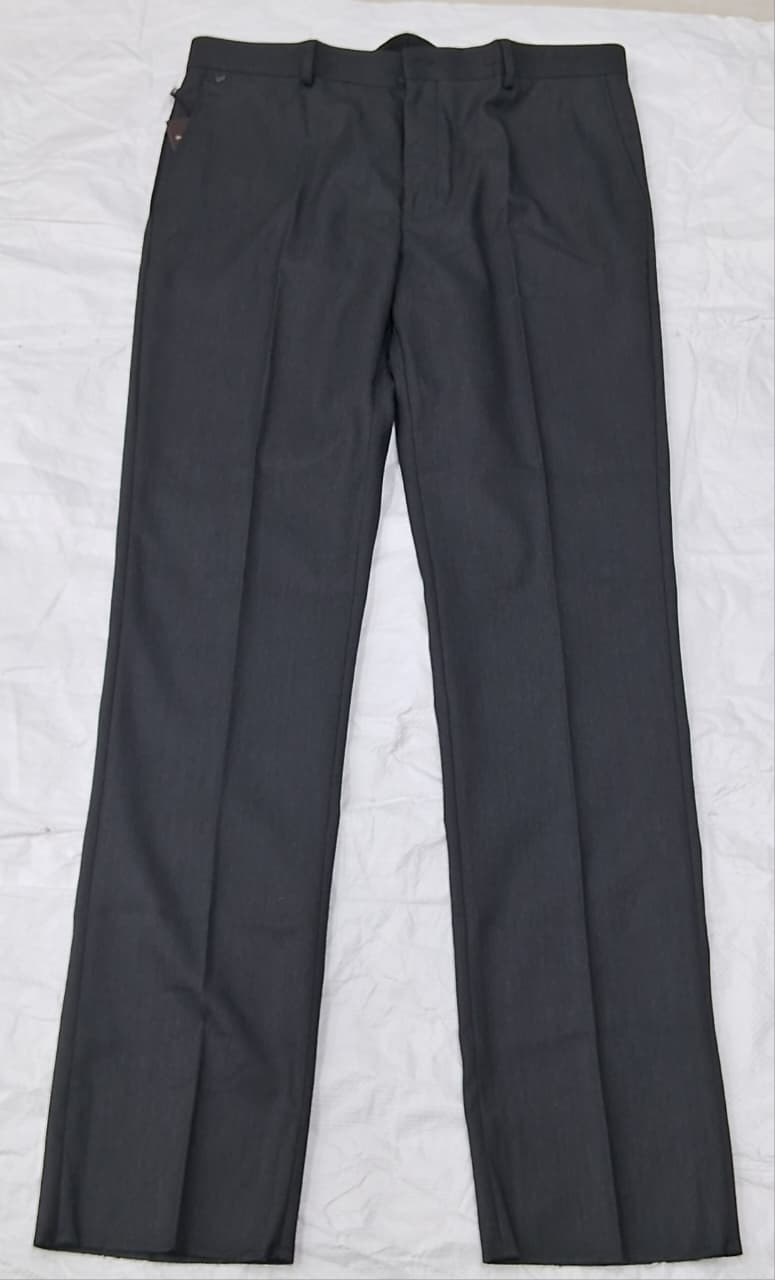
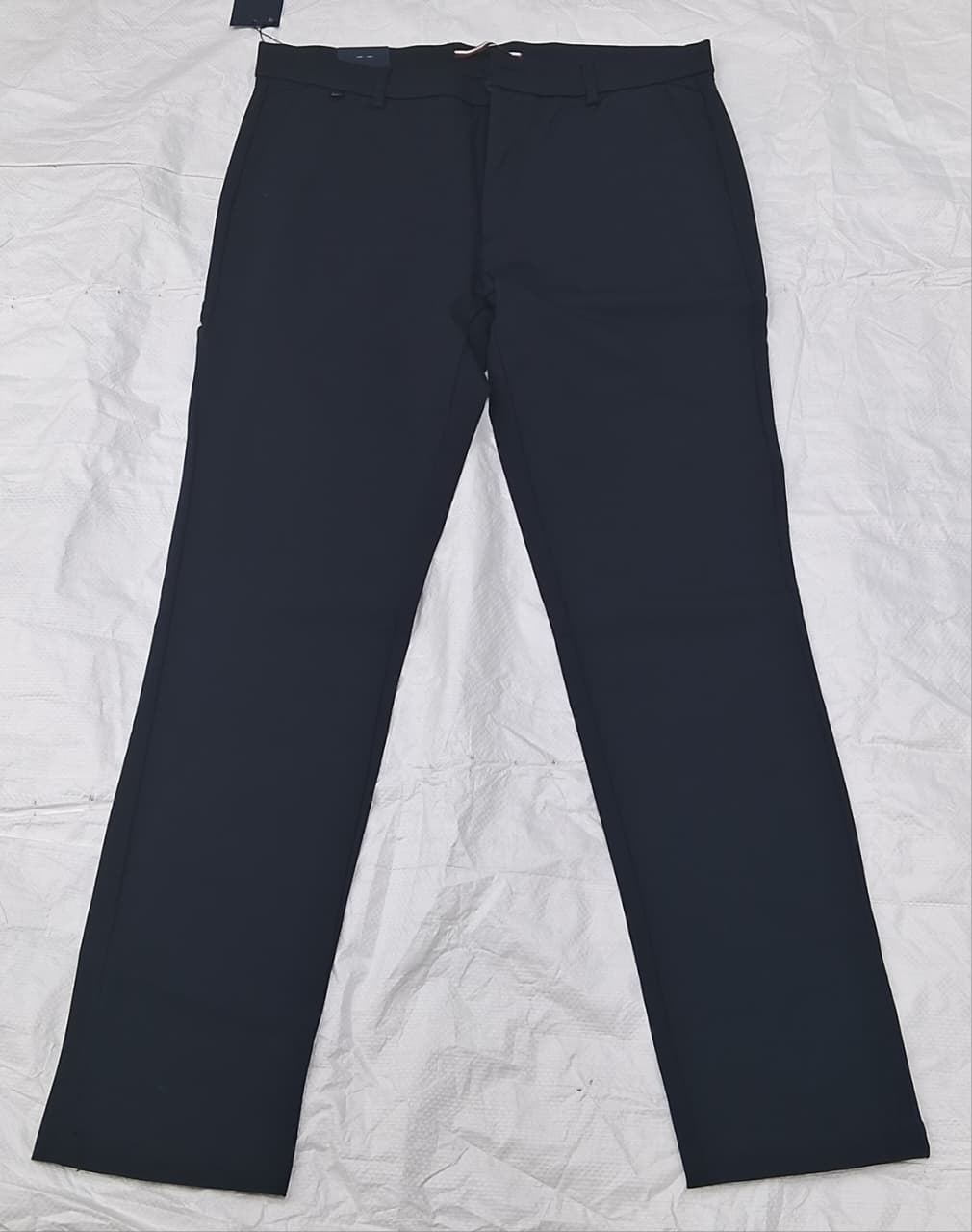
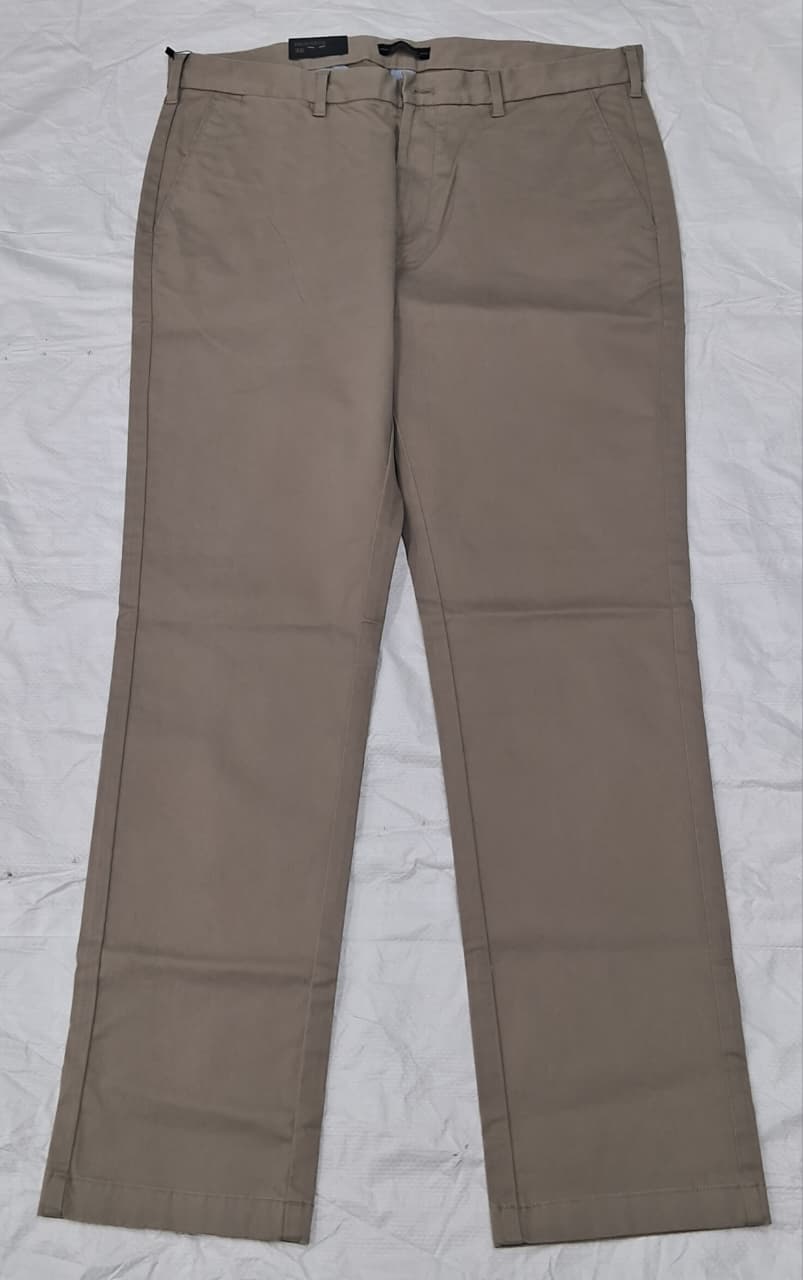
Slim fit formal pants reduce the cloth through the seat, thigh and knee, and narrow the leg opening. The result is a sleek, modern silhouette that suits slimmer and athletic builds and works well under shorter, fitted jackets.
Slim does not mean tight. A well-cut slim trouser should still let you sit, bend and climb stairs without the fabric pulling across the thigh or creasing hard at the crotch. Many slim cuts use a small amount of stretch for comfort. Pair them with sleek footwear such as loafers or chelsea boots, as bulky shoes overwhelm a narrow hem.
- RiseUsually mid
- LegNarrow from thigh to hem
- Best forModern offices, evening events, smart dressing
- SuitsSlim and athletic builds
Regular Fit Formal Pants
Comfort first, without giving up a tidy line.
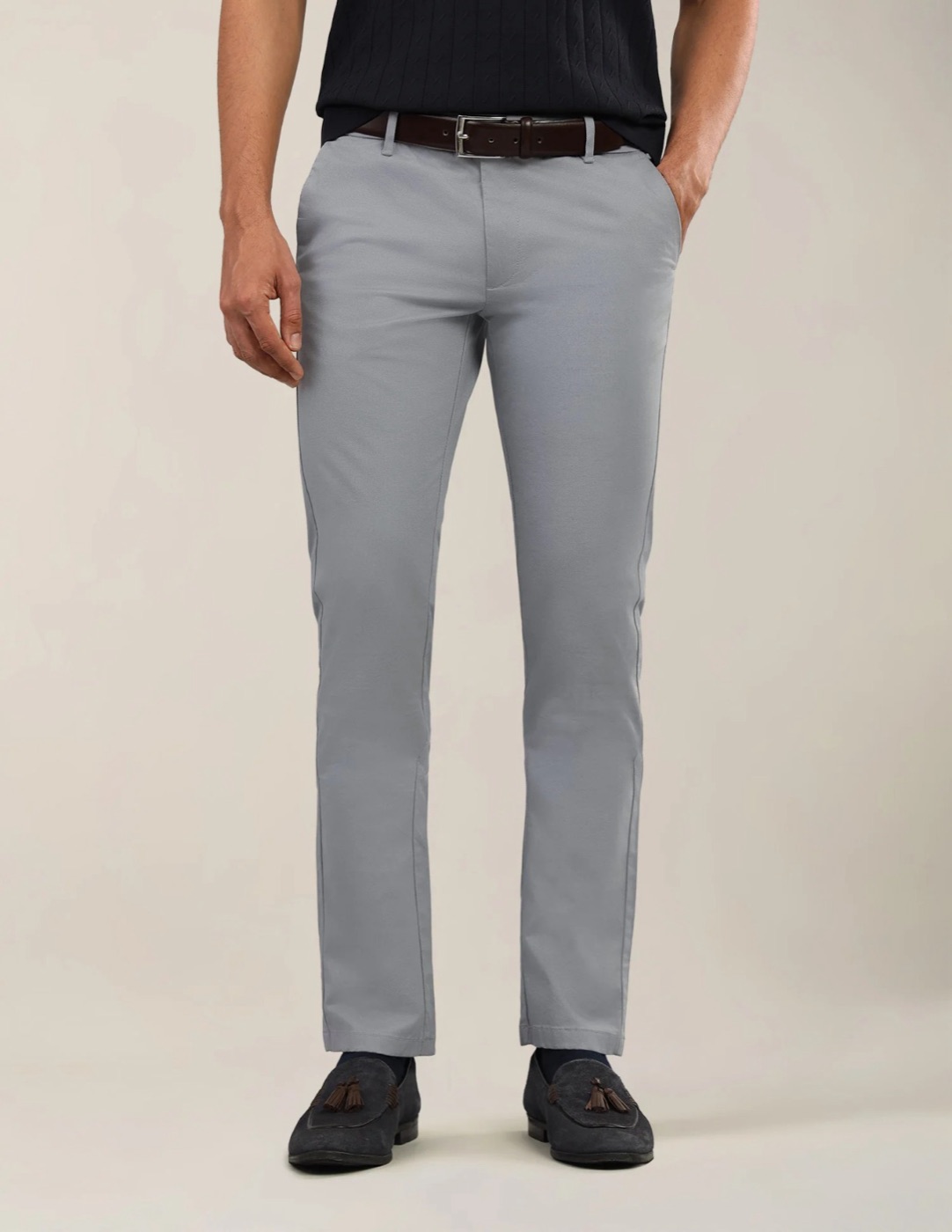
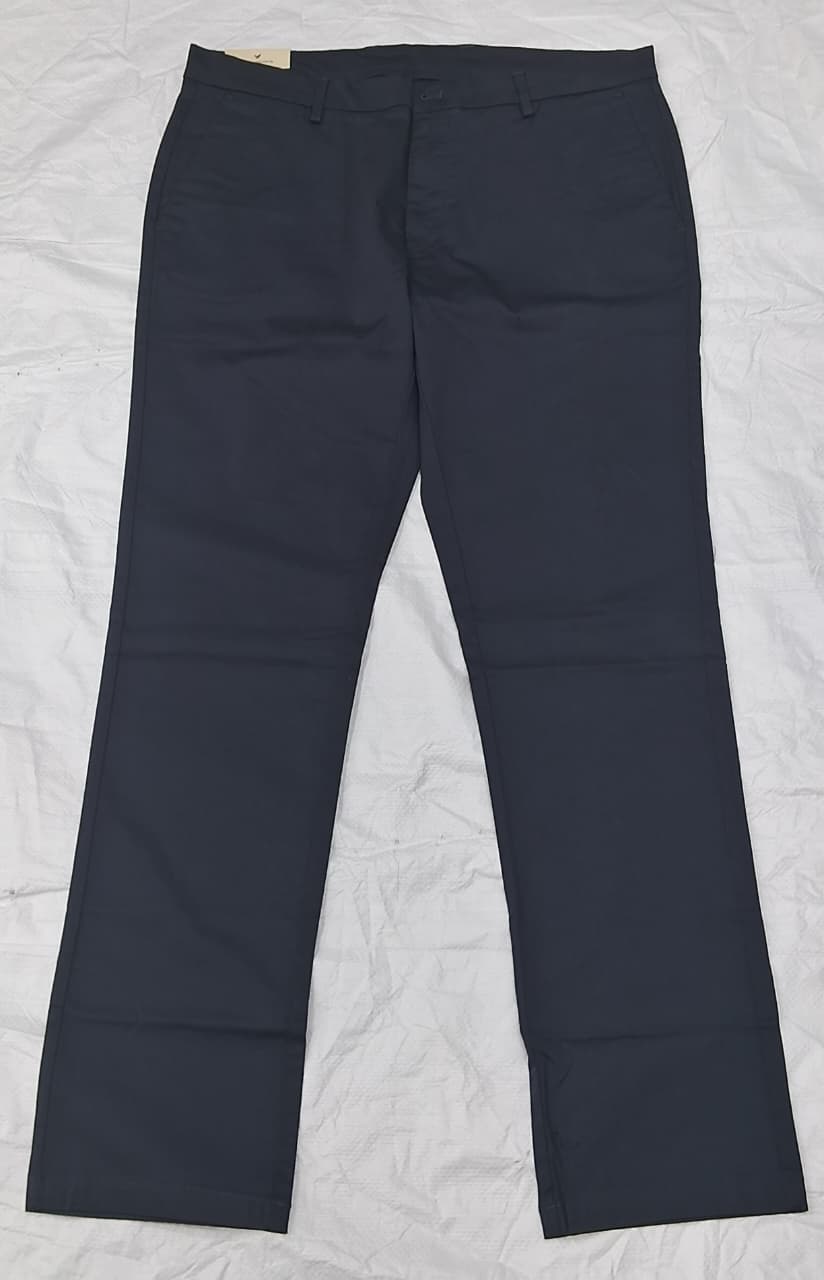
Regular fit formal pants keep a moderate amount of room through the seat and thigh, with a leg that falls naturally rather than following the body closely. This makes them a practical choice for long working days, frequent sitting and commuting.
A regular fit suits a wide range of builds, especially men with fuller thighs or seats who find slim cuts restrictive. The key is that “regular” still means tailored: the waist should fit cleanly and the length should be adjusted, so the extra room looks intentional rather than baggy.
- RiseMid to high
- LegModerate width, falls straight
- Best forDaily office wear, travel, long days
- SuitsMost builds; fuller thighs and seat
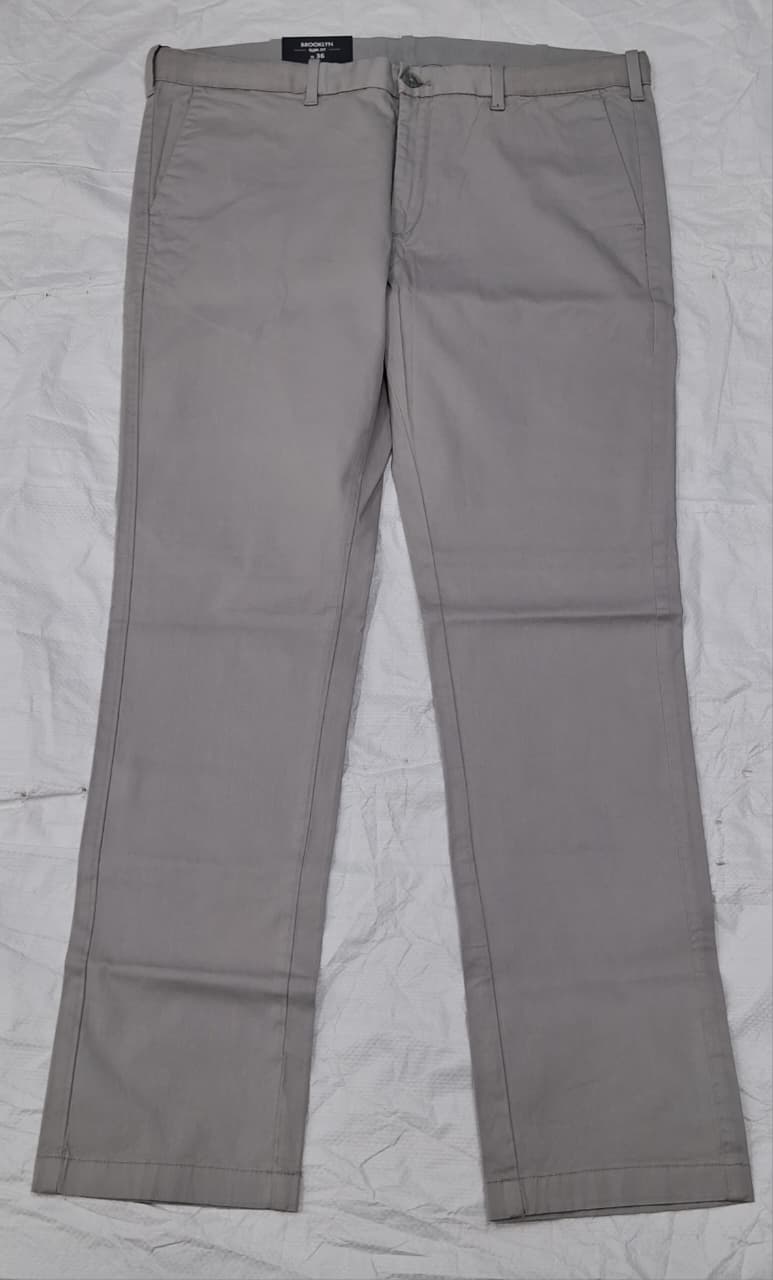
Straight Fit Formal Pants
A single, unbroken column from knee to hem.
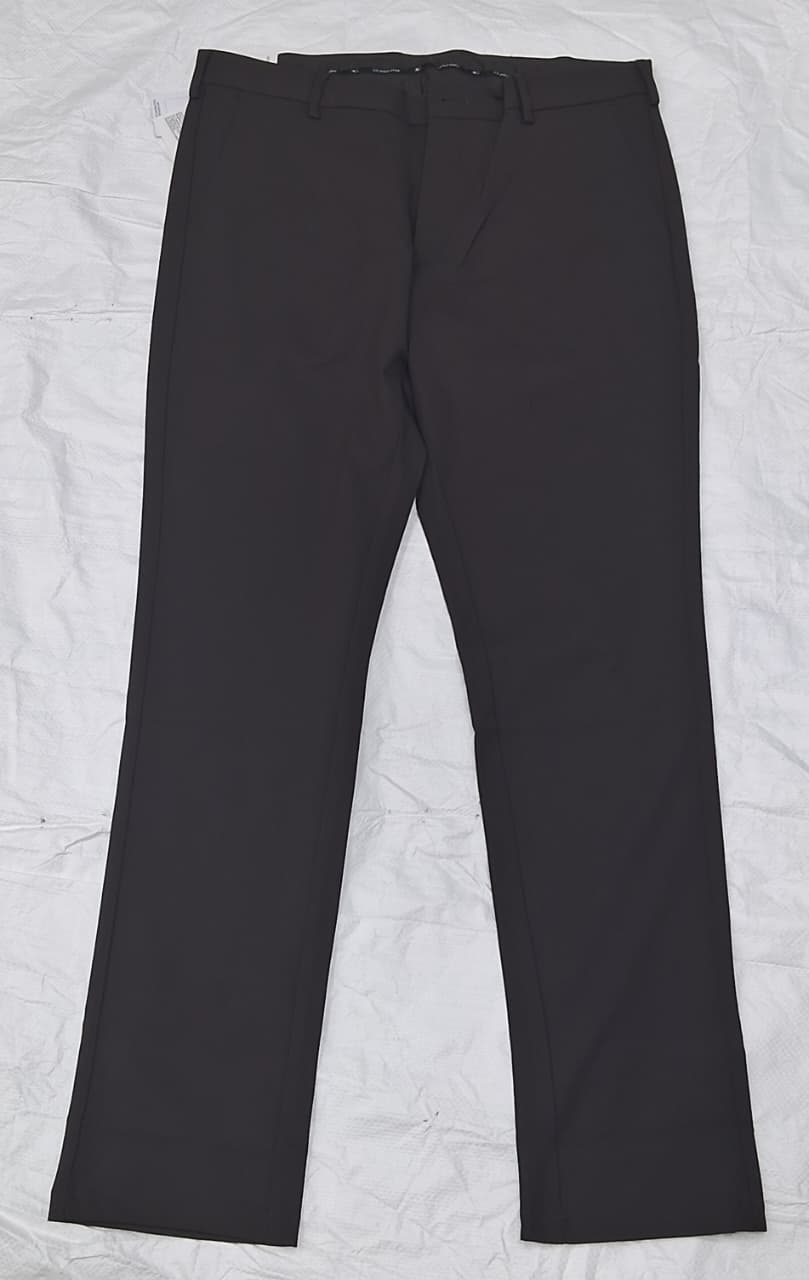
A straight fit trouser keeps roughly the same width from the knee down to the hem. This column-like line elongates the leg and balances broader shoulders or a fuller upper body.
Straight fits pair naturally with classic footwear such as oxfords, derbies and brogues, whose shape suits a slightly wider opening. They also look good with longer jackets and overcoats, where a narrow trouser can make the figure look top-heavy.
- RiseMid to high
- LegConsistent width below the knee
- Best forFormal business, suits, classic footwear
- SuitsTaller men, broader frames
Tapered Formal Pants
Room where you need it, precision where it shows.
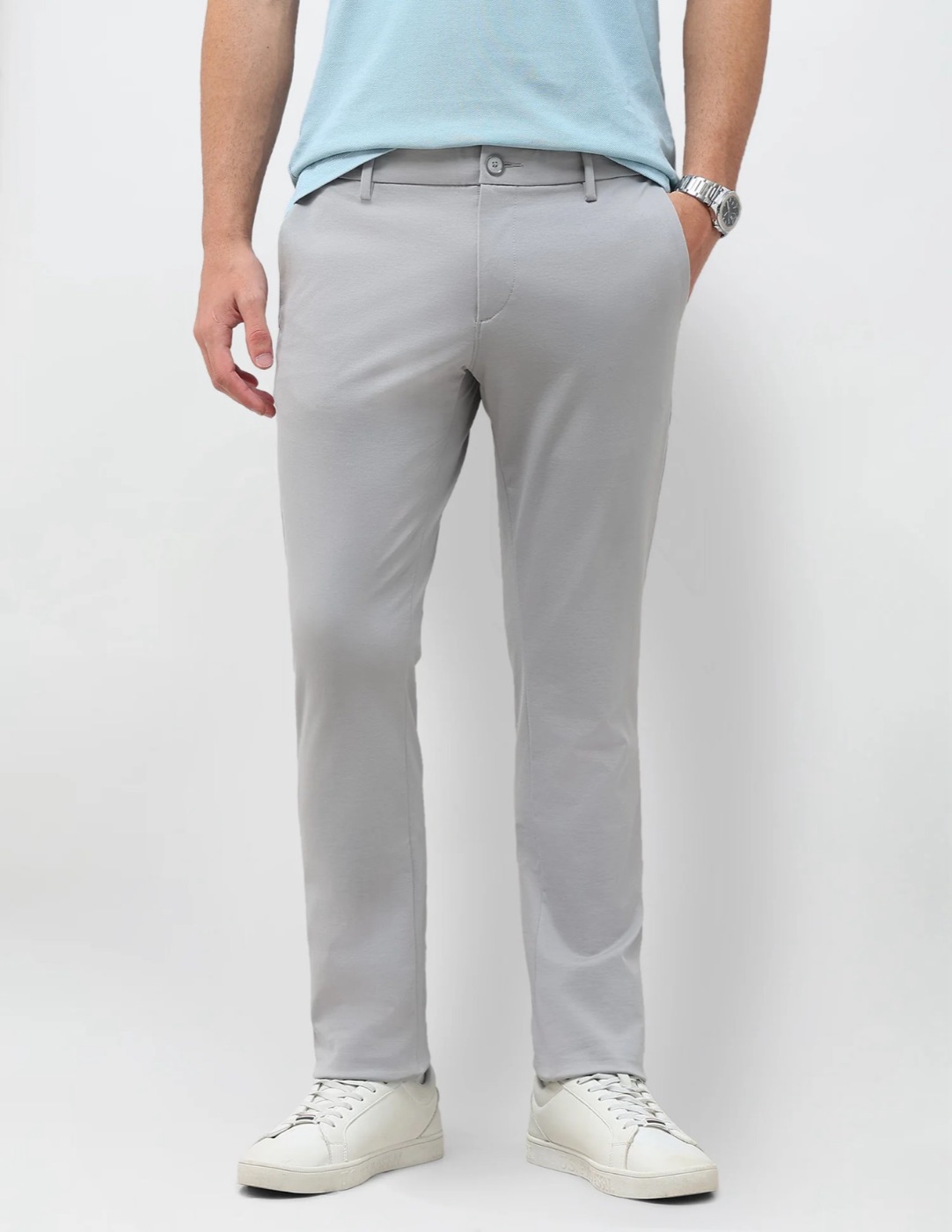
Tapered formal pants keep comfortable room through the seat and thigh, then narrow gradually from the knee to a smaller leg opening. You get freedom of movement at the top and a clean, modern finish at the ankle.
This shape is popular in modern office dressing because it flatters many builds: men with athletic thighs who can’t wear slim cuts comfortably can still get a sharp line at the shoe. Tapered trousers usually look best with little or no break, so the hem sits neatly on the shoe.
- RiseMid
- LegFuller thigh, narrowing to the hem
- Best forContemporary offices, travel, smart dressing
- SuitsAthletic and average builds
Pleated Formal Pants
Tradition, comfort and a softer drape.
Pleats are folds of cloth stitched into the waistband at the front of the trouser. When you stand they lie closed; when you sit or stride they open to give the hips and thighs extra room. Single pleats are subtle; double pleats add more volume.
Forward pleats open towards the fly; reverse pleats open towards the pockets. Pleated trousers usually pair with a higher rise, which keeps the pleats hanging straight, and with fuller, softer tailoring. They have returned to contemporary menswear as part of a broader move towards relaxed, generous silhouettes.
- RiseTypically mid to high
- FrontSingle or double pleats
- Best forClassic tailoring, formal occasions
- SuitsFuller builds; anyone wanting extra room
Flat-Front Pants
A smooth front panel with nothing to interrupt the line.
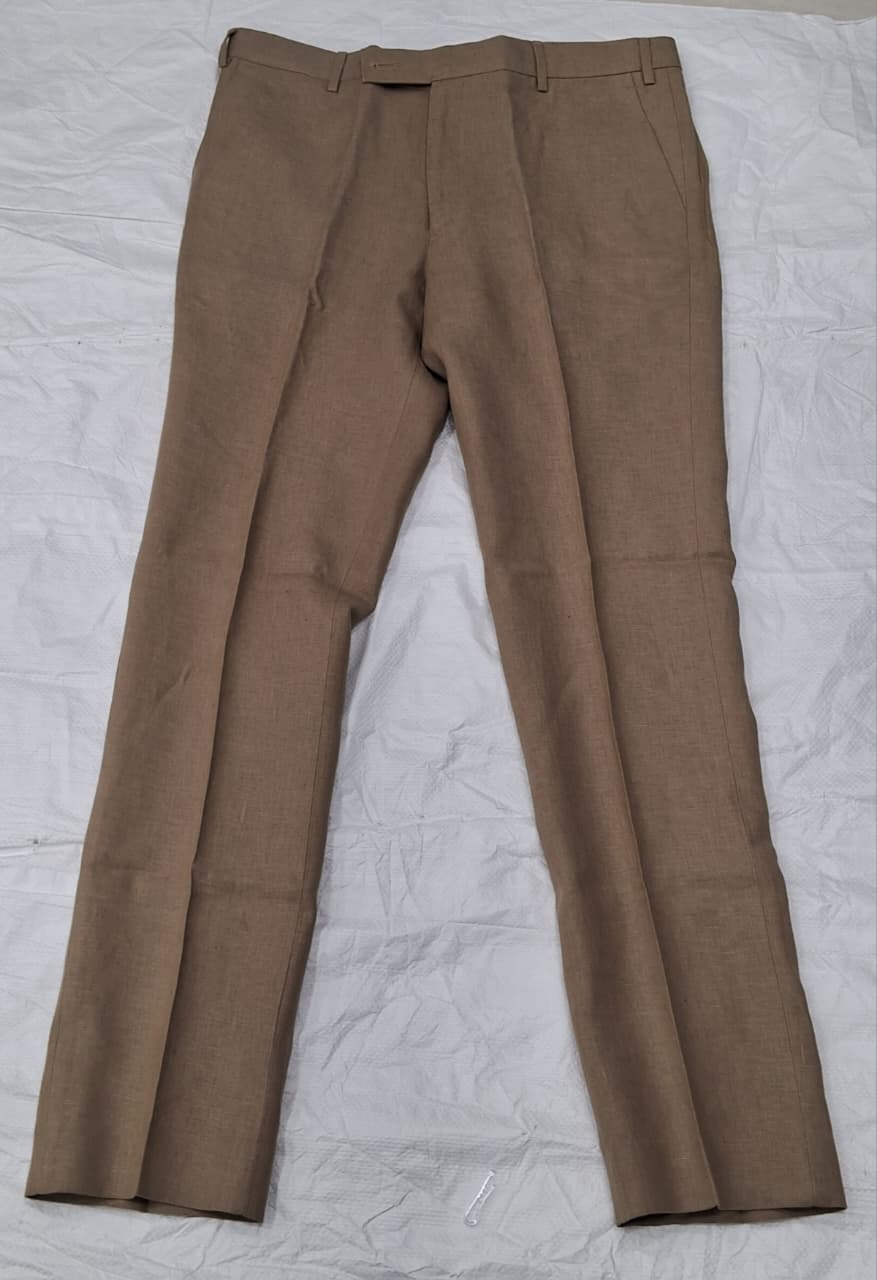
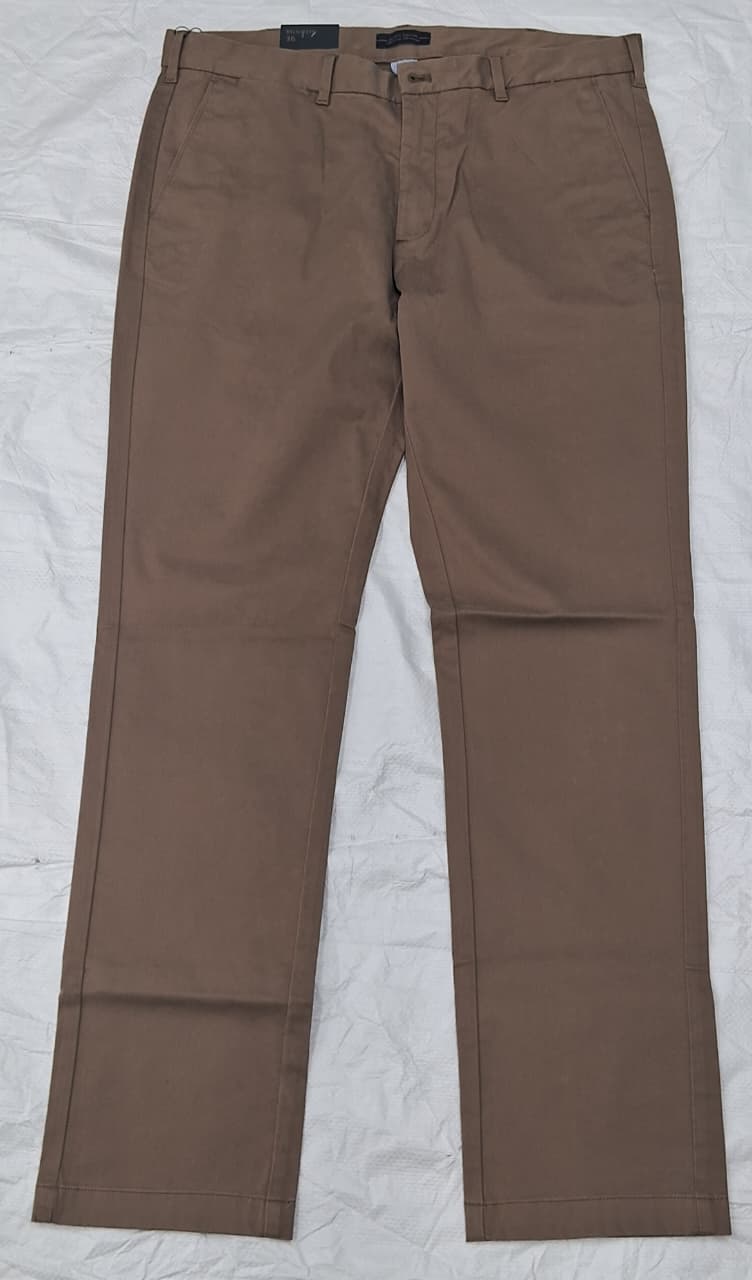
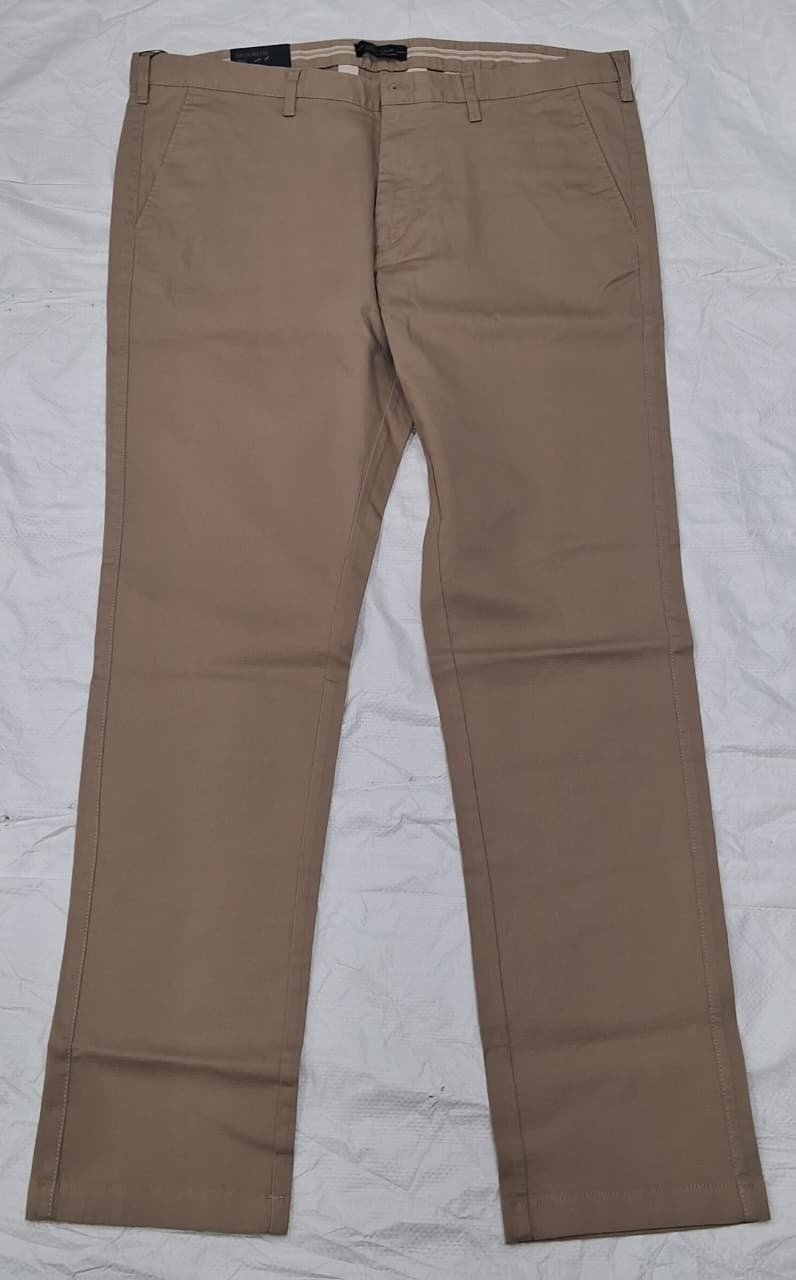
Flat-front trousers have no pleats at the waistband, so the cloth lies smooth from the waistband down the front of the leg. The effect is clean and streamlined, and it is the default for most contemporary formal pants, from slim to regular fits.
Flat fronts flatter slimmer waists and look especially sharp with fitted shirts tucked in neatly. Because there is no extra cloth at the front, getting the waist and seat measurements right matters more: a flat front that is too tight will pull at the pockets, and one that is too loose will fold.
- RiseLow to mid, sometimes high
- FrontNo pleats; smooth panel
- Best forEveryday office wear, modern suiting
- SuitsSlim and average builds
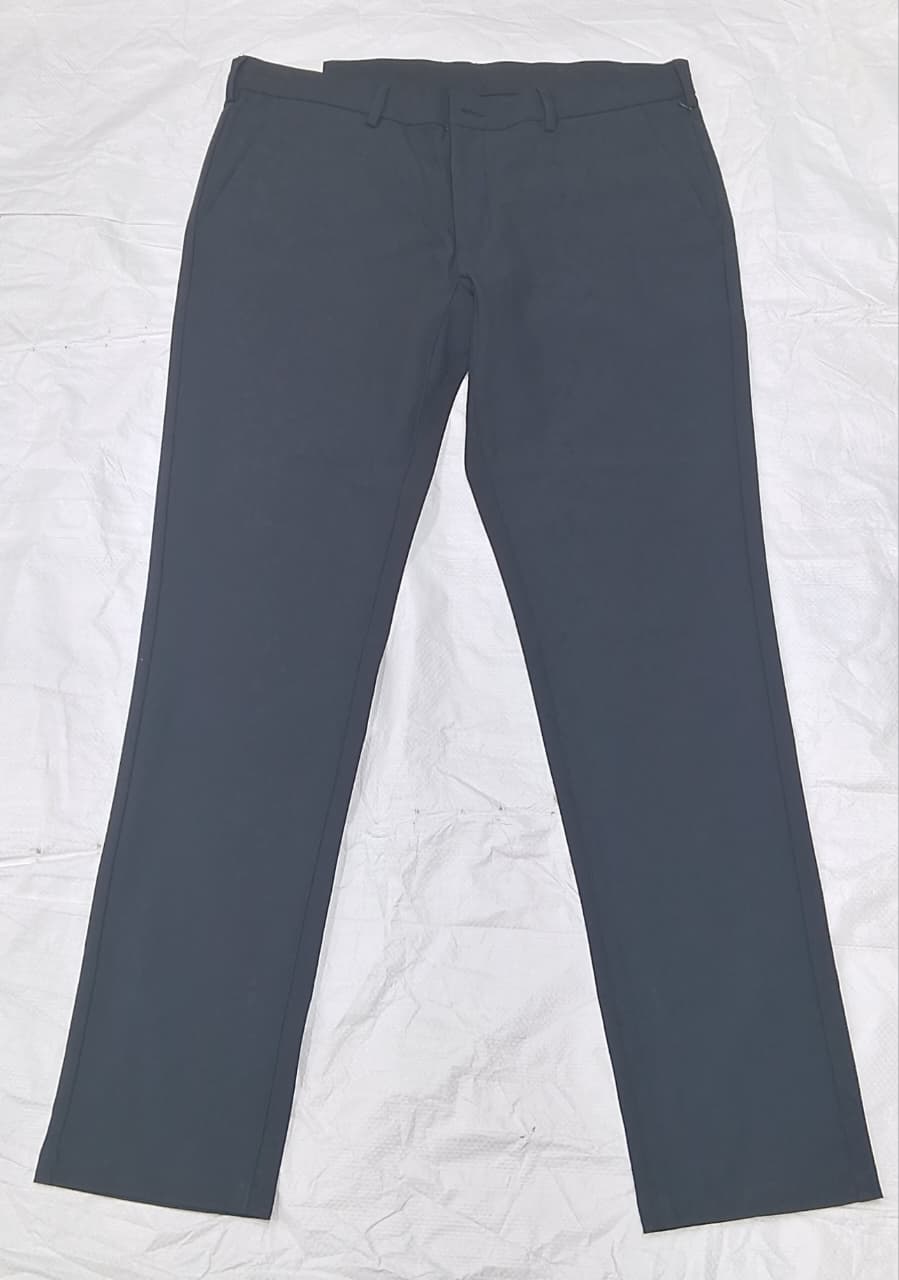
Contemporary Tailored Pants
Formal construction, modern proportions.
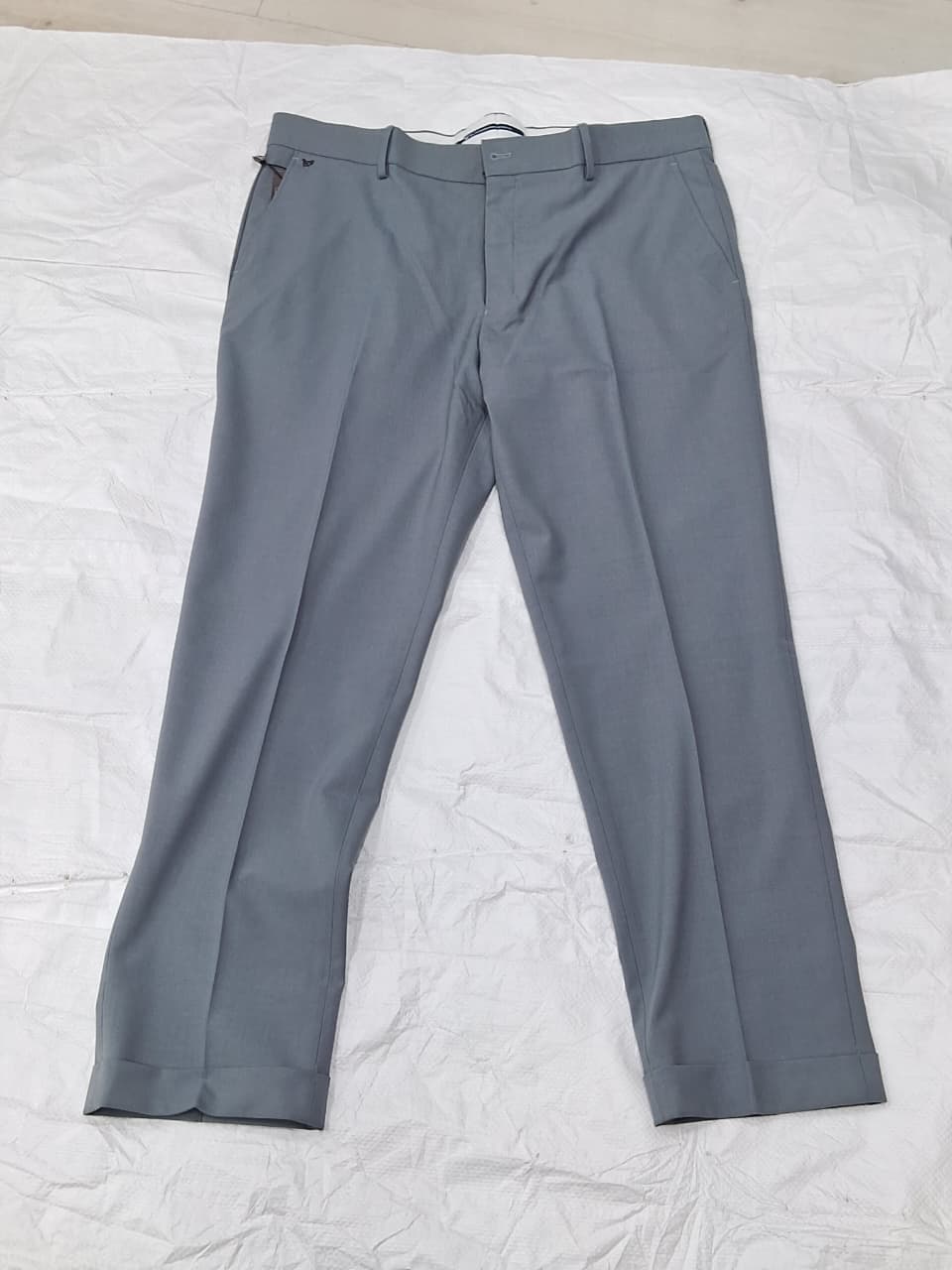
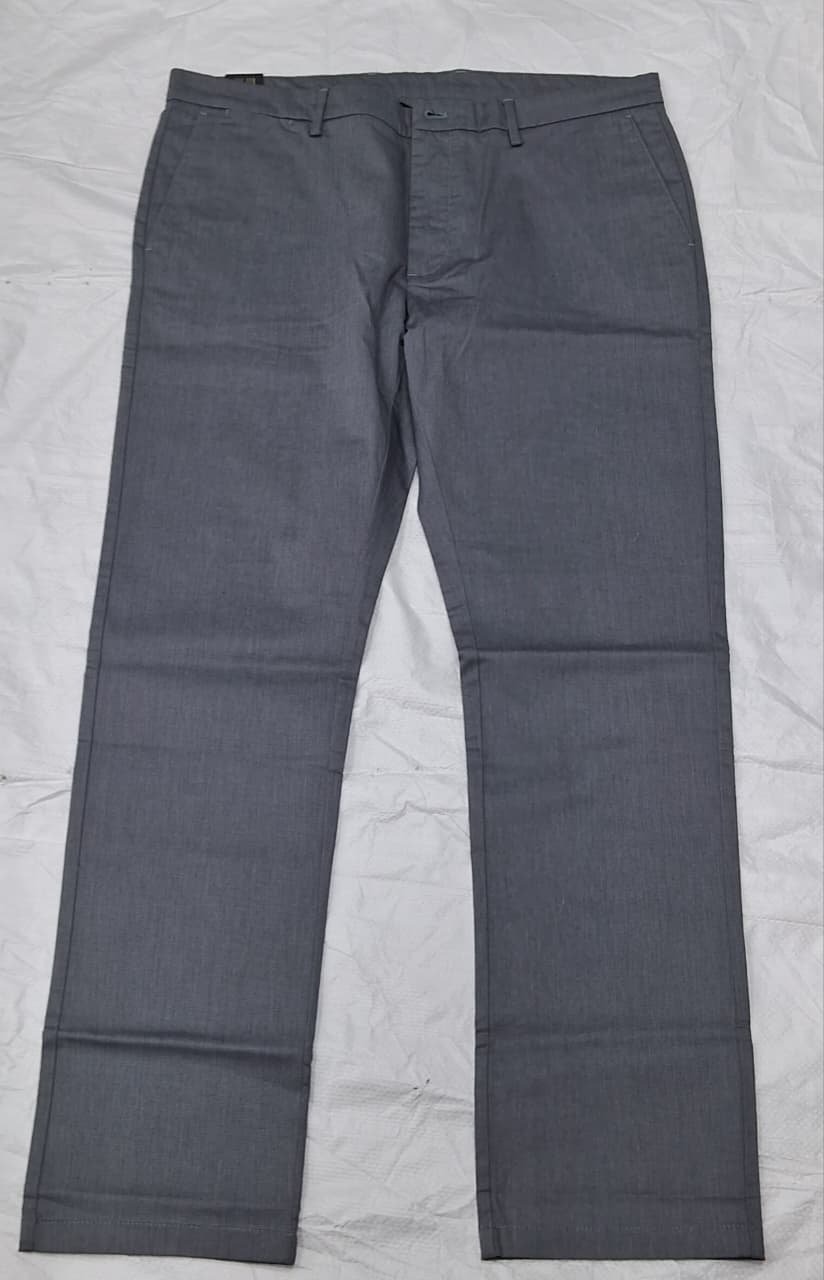
Contemporary tailored pants keep the details of formal trousers, such as the structured waistband, clean pockets and pressed finish, but update the proportions. Expect a mid rise, a refined taper and often a shorter length that just skims the shoe or ankle.
They suit wardrobes that move between settings: a meeting in the morning, dinner in the evening. Wear them with a crisp shirt and loafers, a fine knit, or an unstructured blazer. Because the length is shorter, sock choice becomes part of the look: tonal socks keep the line long.
- RiseMid
- LegRefined taper; shorter length
- Best forModern offices, evenings, travel
- SuitsSlim to average builds
Choosing between styles.
| Style | Thigh | Leg opening | Typical length | Pairs well with |
|---|---|---|---|---|
| Classic | Generous | Medium | Slight break | Suit jackets, oxfords, derbies |
| Slim Fit | Close | Narrow | No or slight break | Short jackets, loafers, chelsea boots |
| Regular Fit | Moderate | Medium | Slight break | Formal shirts, derbies, monk straps |
| Straight Fit | Moderate | Medium, consistent | Slight to medium break | Longer jackets, brogues, oxfords |
| Tapered | Moderate | Narrow | No break | Loafers, minimal sneakers for smart days |
| Pleated | Generous | Medium to wide | Slight to medium break | Soft tailoring, knitwear, classic shoes |
| Flat-Front | Varies by fit | Varies | Varies | Tucked fitted shirts, modern suiting |
| Contemporary Tailored | Moderate | Narrow | Ankle or no break | Loafers, fine knits, unstructured blazers |
For taller frames
Straight and classic cuts with a slight break keep the leg in proportion. Very cropped lengths can make long legs look unfinished.
For shorter frames
A mid rise, a clean flat front and little or no break lengthen the leg. Keep trouser, socks and shoes close in tone for an unbroken line.
For athletic builds
Tapered cuts give room at the thigh and seat while keeping the hem neat, often a better choice than slim fits that strain when seated.