No break
The hem just touches the top of the shoe. Clean and modern; suits slim, tapered and contemporary tailored cuts.
Options Mall · Juhu
The
Index
Men’s formal pants — an atelier edition
N° 04 — A tailoring consultation
Fit is personal. There is no single measurement that suits every man, but there are reliable signs of a good fit. This consultation walks through the ten points a tailor looks at, from waist to hem, so you can judge any pair of formal pants with confidence.
Consultation card
The waistband should close without pulling at the button or the hook-and-bar, and should stay up on its own. A belt is there to finish the look, not to hold the trouser up. You should be able to slip two fingers inside the waistband comfortably while standing.
Check: no gaping at the back, no horizontal strain across the front.
The rise is the distance from the crotch seam to the top of the waistband. It decides where the trouser sits: at the natural waist (high), just below it (mid), or on the hips (low). A higher rise lengthens the leg and keeps a tucked shirt in place; a lower rise feels more casual.
Check: the crotch shouldn’t pull up when you sit, or hang low when you stand.
Across the back, the cloth should follow the seat smoothly. Horizontal lines (“smile lines”) below the seat mean it is too tight; loose, sagging folds mean too much fabric. Side pockets should lie flat rather than flaring open.
Check: pockets closed and flat; no pulling when you sit down.
The thigh should allow a natural stride and a comfortable seated position. Too tight and the fabric creases across the front and wears quickly; too loose and the trouser loses its line. Athletic builds often need a cut with more thigh room and a taper below.
Check: pinch roughly a finger’s width of spare cloth at the side of the thigh.
The knee width sets the character of the leg. Where the leg narrows sharply after the knee, it reads as tapered; where it stays even, it reads as straight. The knee needs enough ease to bend without the cloth stretching or bagging.
Check: crouch briefly. The knee shouldn’t feel restricted.
Slim, straight, tapered and wide legs each change the overall impression. Choose the leg shape for your build and your shoes: a narrow leg suits sleek footwear, a straight leg suits classic lace-ups, a fuller leg suits a more relaxed look.
Check: from the side, the leg should fall cleanly from seat to hem.
The break is the fold or dimple where the trouser hem meets the shoe. A full break creates a noticeable fold; a medium or slight break makes a small dimple; no break lets the hem just touch the shoe. Contemporary cuts tend to have less break; classic cuts a little more.
Check: always judge the break wearing the shoes you’ll actually wear.
Length follows from the break you want and from your shoes. As a rule of thumb, the hem should cover most of the sock when standing and not drag on the ground at the heel. Leg length, shoe height and heel all change the right figure, which is why length is measured on the body, not from a chart.
Check: walk a few steps. The hem shouldn’t catch the heel.
The hem opening is the width at the bottom of the leg. It should be in proportion to your shoe: wide enough to sit over the top of the shoe, narrow enough not to swallow it. Some tailors angle the hem slightly so it is a touch longer at the back.
Check: the opening should cover roughly half to two-thirds of the shoe from the front.
Finally, step back. The best fit is the one where nothing calls attention to itself: the waist is clean, the seat is smooth, the leg falls straight and the hem rests neatly. The trouser should look like it belongs to the rest of the outfit and to the man wearing it.
Check: front, side and back views in a full-length mirror.
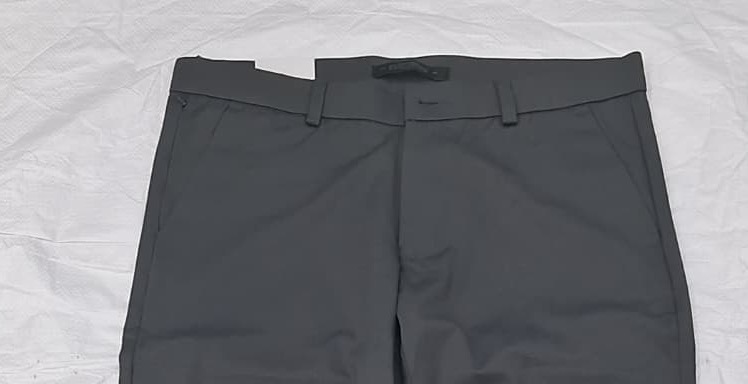
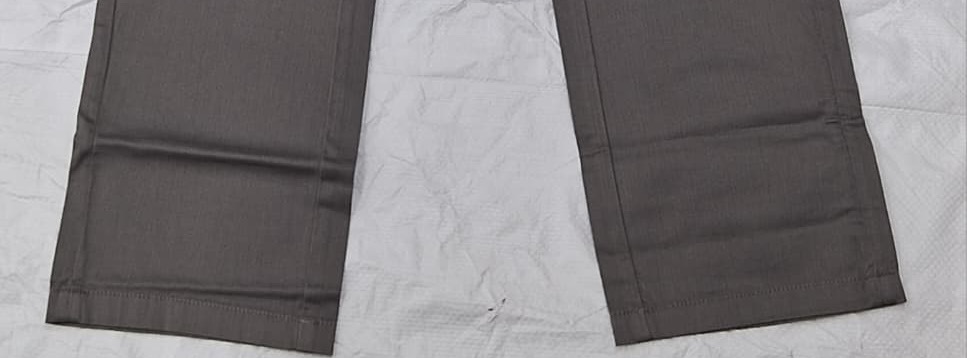
The top of the trouser and the bottom of the leg are the two places where most fit problems show, and where the most useful adjustments are made.
At the waist, look at the waistband, the closure and the front: does it lie flat? Do the belt loops sit evenly? At the hem, look at the finish and the opening: is the hem straight, and in proportion to the shoe?
Length and hem adjustments are routine for most formal trousers. Changes to the waist are often possible within a limited range. Altering the seat, thigh or rise is harder and depends on how the trouser was made, so it is better to choose the right cut from the start.
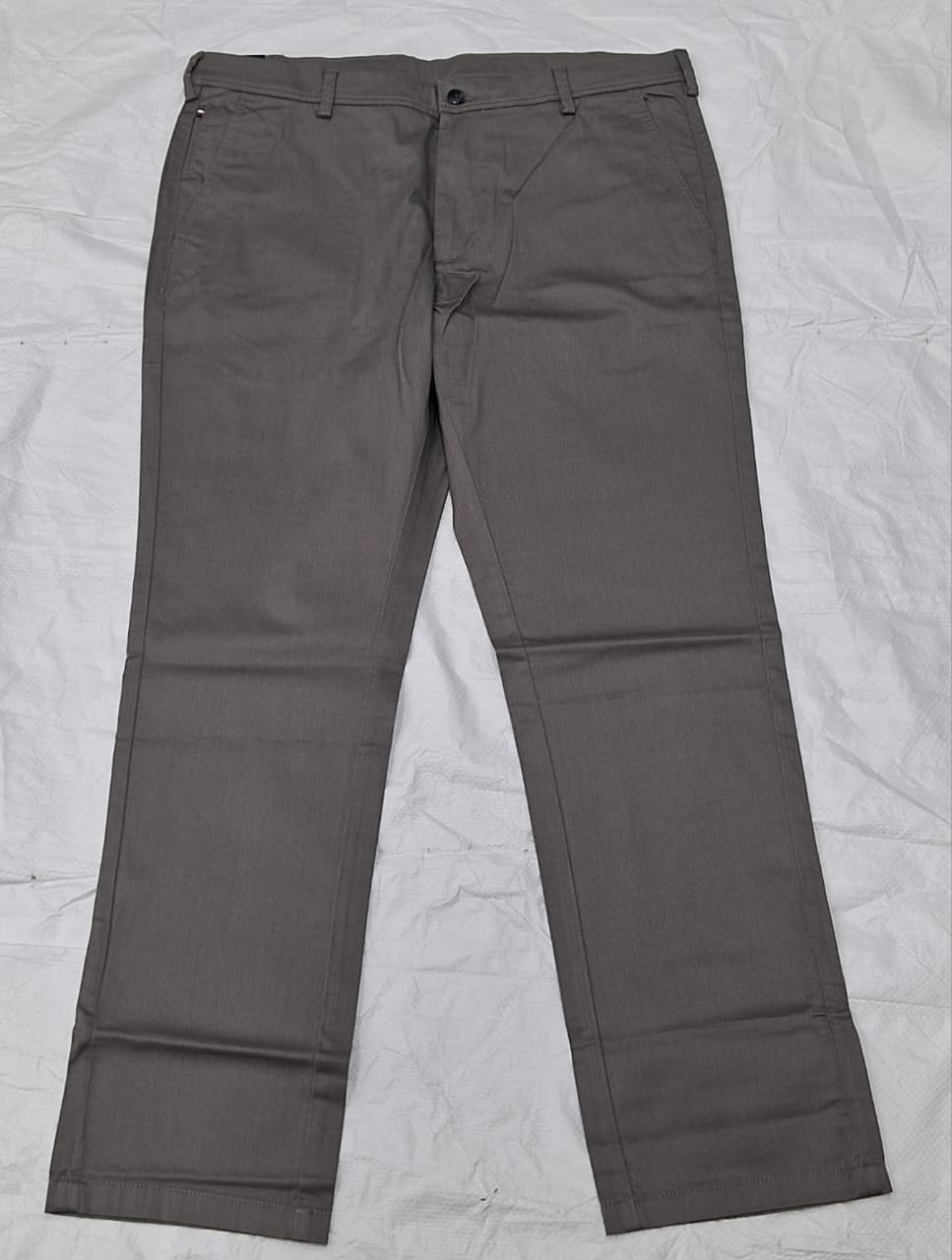
The break is a matter of style rather than right or wrong. Choose it for your trouser’s cut and your shoes, and keep it consistent across your wardrobe.
The hem just touches the top of the shoe. Clean and modern; suits slim, tapered and contemporary tailored cuts.
A small dimple at the front. The most versatile choice for formal office wear and most fits.
A single clear fold. Traditional and comfortable; suits classic, straight and regular cuts.
A deep fold at the front. Very traditional; works best with wider legs and heavier cloth.
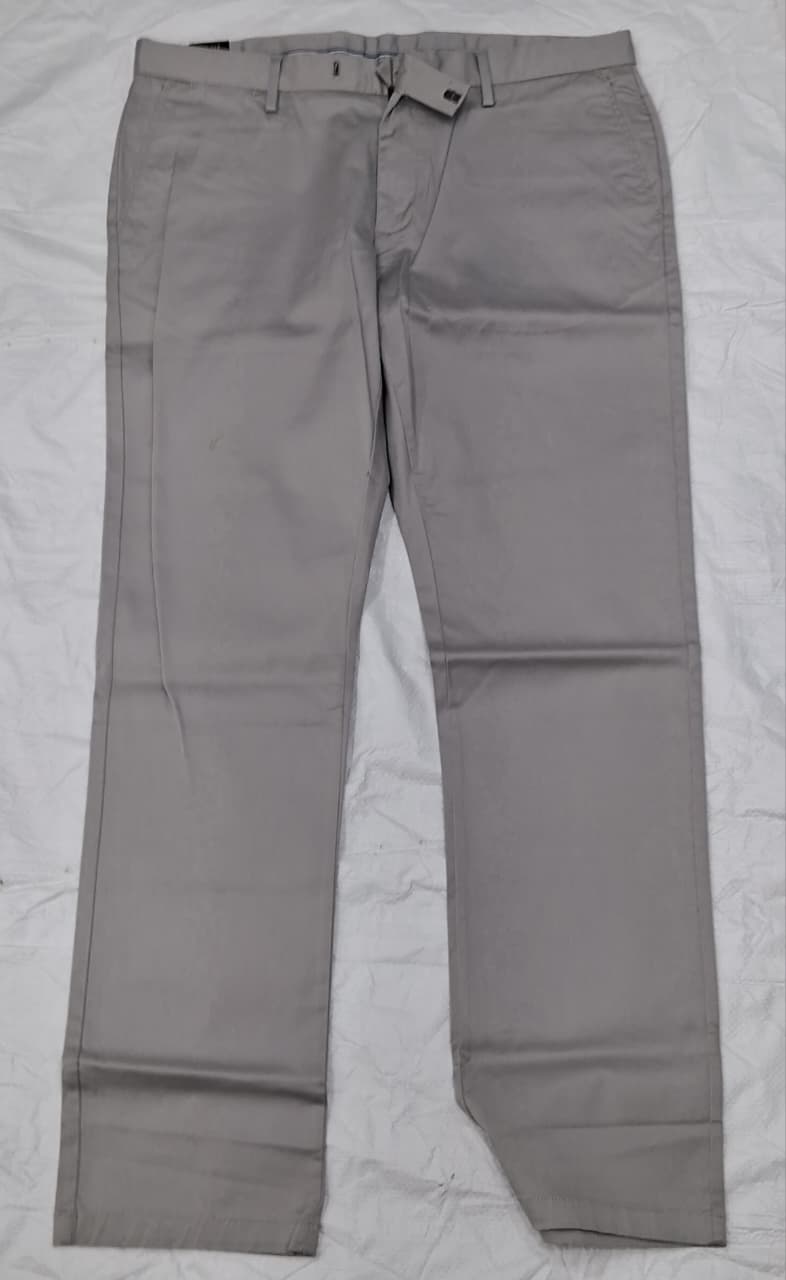
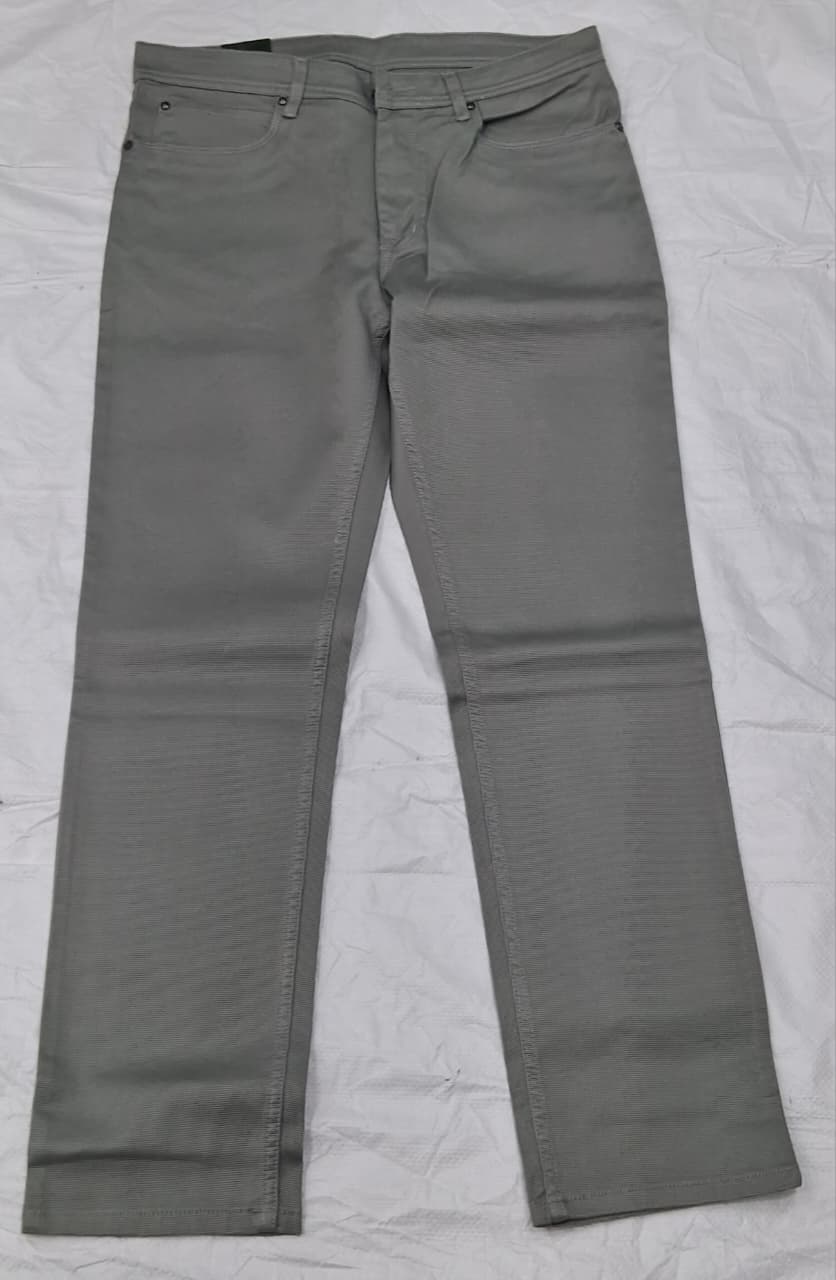
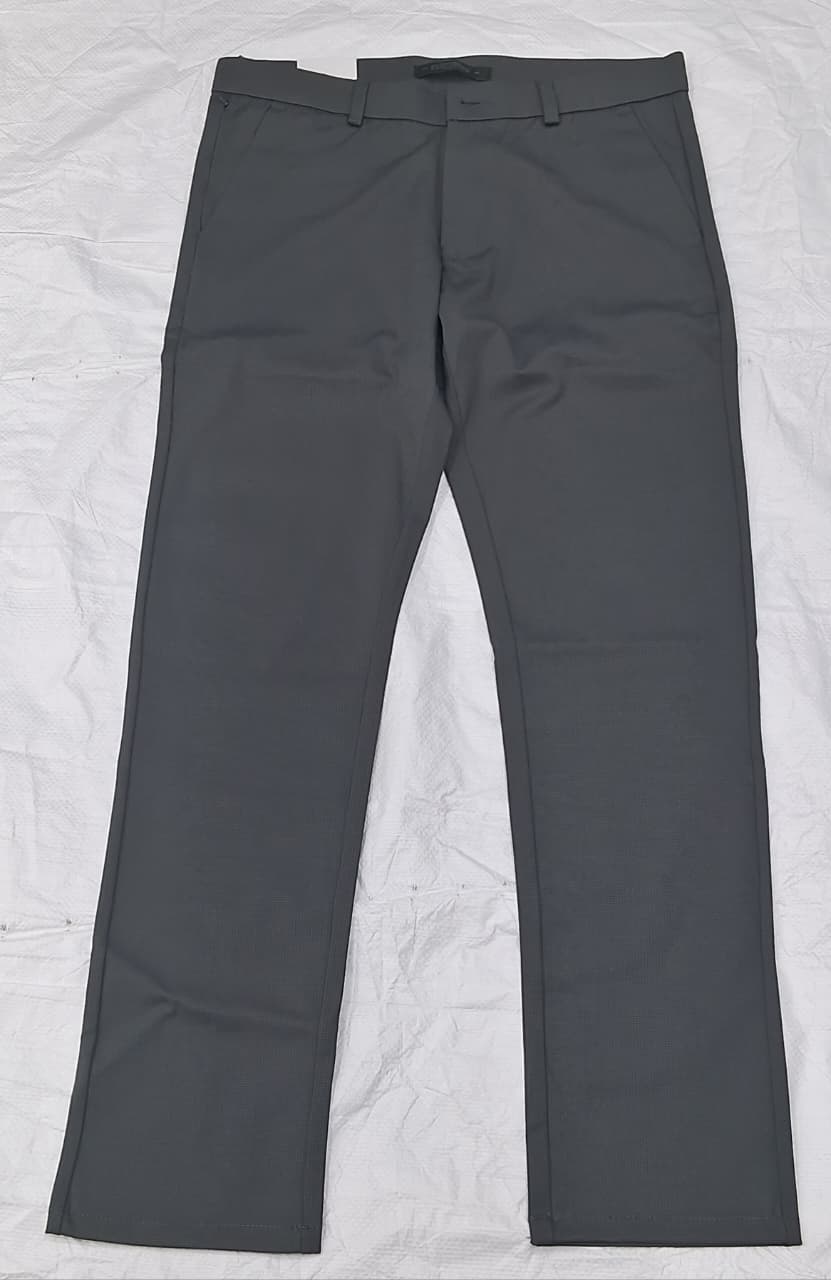
A flat-lay view is a useful first check before you try a trouser on.
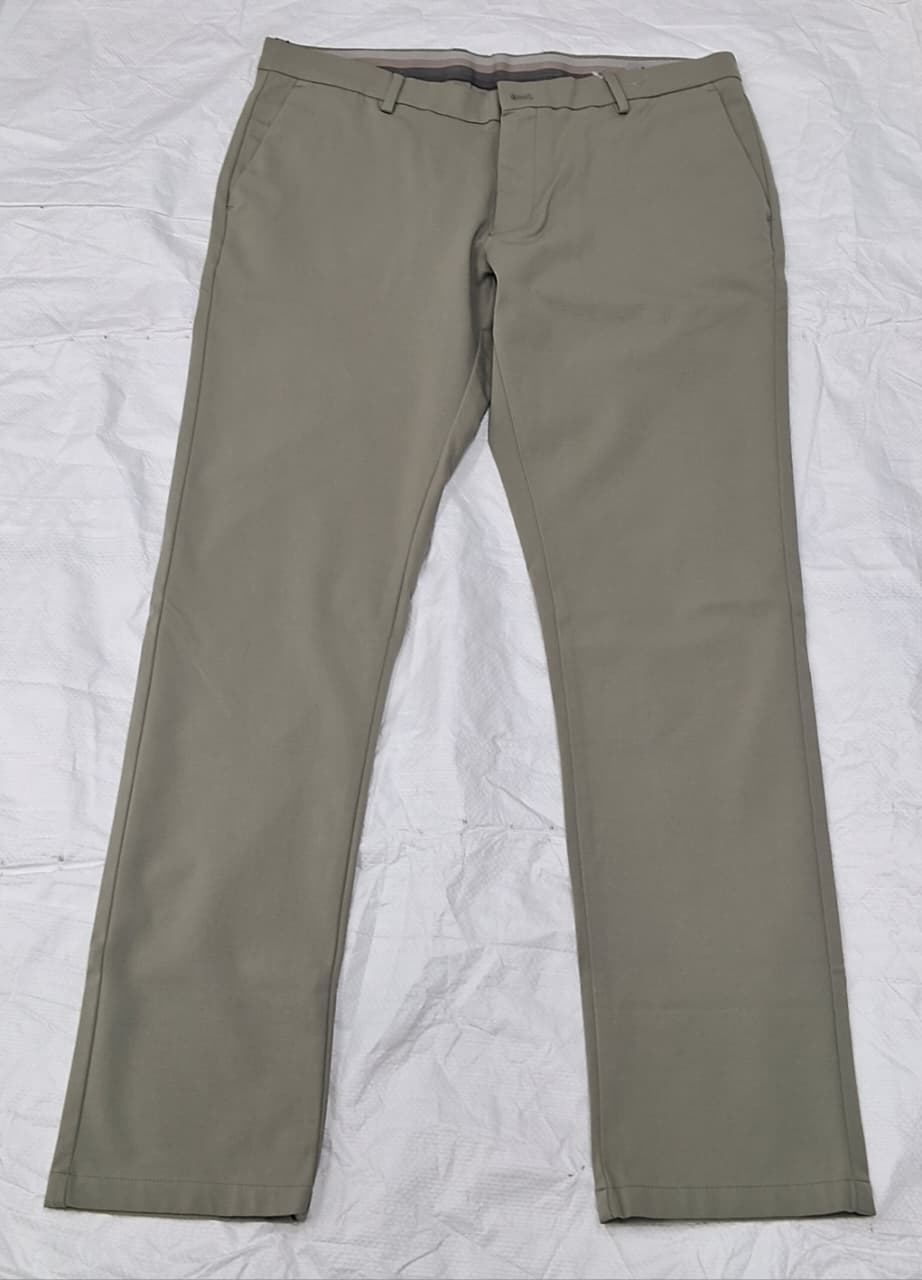
Look at how the leg changes from thigh to knee to hem. If the outline stays almost parallel below the knee, the leg will read as straight. If it narrows steadily, it will read as tapered. Compare the width at the hem with the shoes you plan to wear.
Look also at the front. A pressed centre crease, an even waistband and pockets that lie flat all point to a garment that will look composed on the body. Then try it on: only the body shows rise, seat and break.
A note on measurements: we deliberately don’t give universal figures. Bodies, cuts and fabrics vary too much for one number to be reliable. A fitting with your own shoes is always the best guide.
V. — Summary