N° 07  —  Men’s Formal Pants · Juhu, Mumbai

N° 07 — Eight essays on formal trousers

The Journal

Practical guides and considered opinions on men’s formal pants: how to choose them, how they should fit, how to wear them and the mistakes worth avoiding.

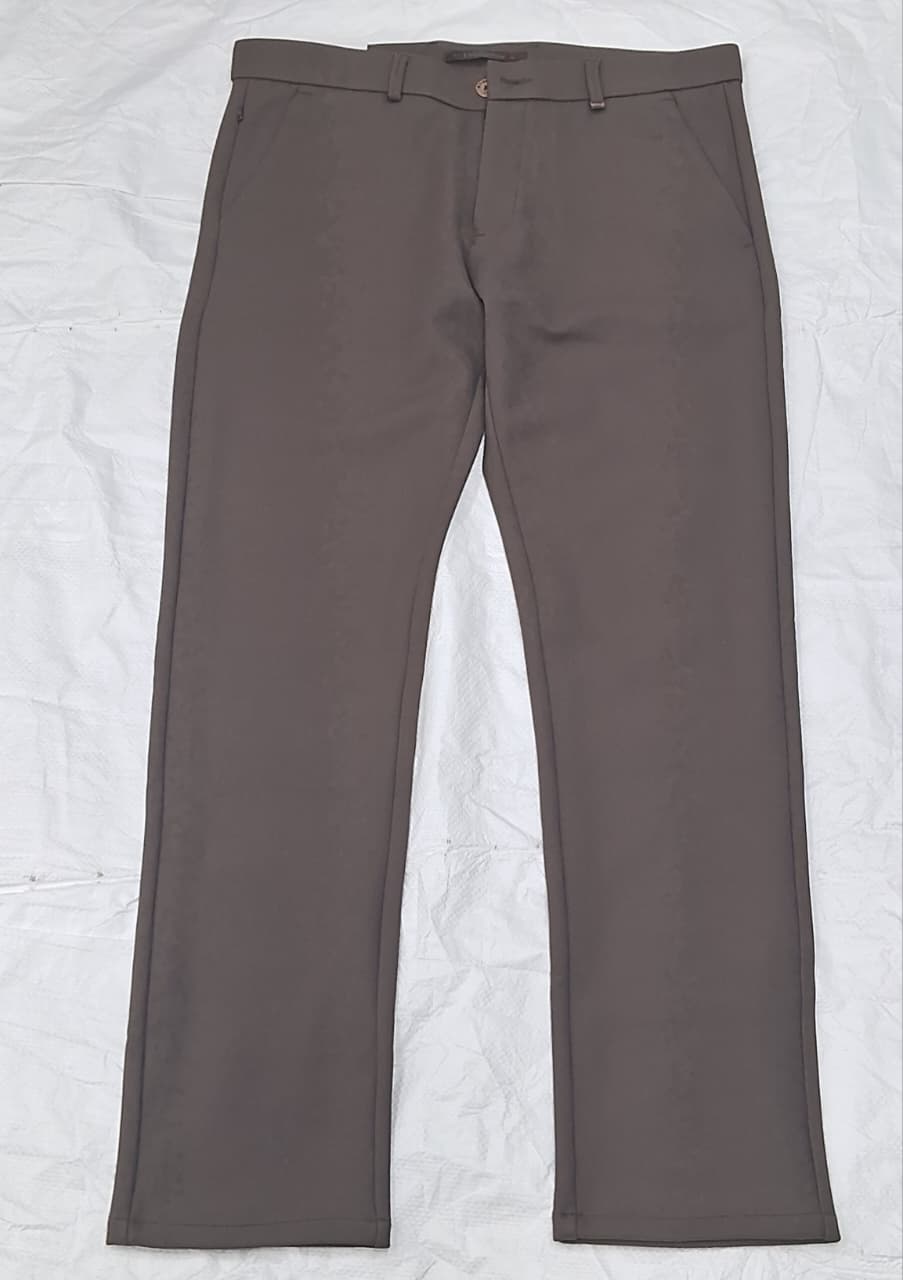
Dark brown trousers laid flat, illustrating how to assess a pair of formal pants
Essay 01 · Begin with the whole garment
GuideEssay 01

How to choose the right formal pants

A good choice begins with the occasion, not the hanger.

1. Start with where you’ll wear them

A conservative office, a modern workplace and an evening event each ask for different trousers. List the settings you dress for most often. That decides the colour range and level of formality before anything else.

2. Choose the fit for your build

Slim cuts suit slender frames; tapered cuts suit athletic thighs; regular and straight cuts suit taller and broader builds. Choose the silhouette that balances your proportions, then check the waist, seat and thigh.

3. Decide on the rise

A mid to high rise keeps shirts tucked and lengthens the leg; a lower rise reads more casual. If you wear tucked shirts most days, avoid very low rises.

4. Judge the fabric

Feel the cloth and read the label. Wool and wool blends give the most formal drape; cotton feels softer and more relaxed; polyester blends prioritise easy care; stretch adds comfort. Think about your climate.

5. Check construction

Look for a firm waistband, a flat closure, even stitching, flat pockets and a clean crease. These details show how well a trouser will wear over time.

6. Get the length right

Try them with the shoes you’ll wear and decide on the break. Length is the simplest adjustment and has the biggest visual effect.

7. Choose colour last

Once fit and fabric are right, pick a colour that pairs with at least three shirts and one pair of shoes you already own. Charcoal and navy are the safest first purchases.
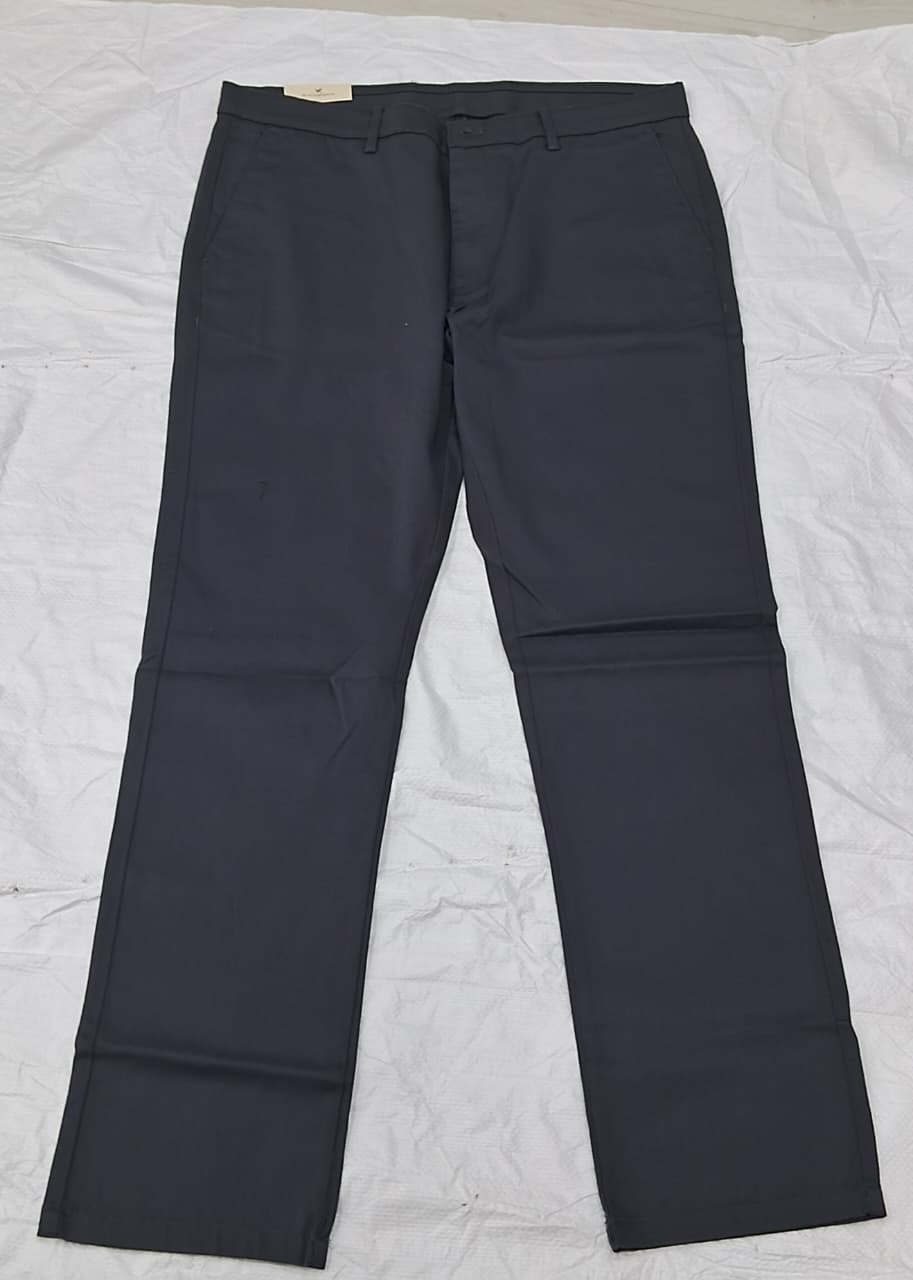
FitEssay 02

Understanding trouser fits

Fit names are shorthand. Here is what they usually mean.

Labels like “slim” or “regular” aren’t standardised. Each maker uses its own patterns, so the same name can feel quite different. Learn what each term generally describes, then judge the garment on your body.

Slim

Close through seat and thigh, narrow leg. Modern and sleek; can restrict athletic builds.

Regular

Moderate room throughout, natural fall. Comfortable for long days and most builds.

Straight

Even width below the knee. Classic column line; balances broad shoulders.

Tapered

Fuller at the thigh, narrowing to the hem. Comfort above, precision below.

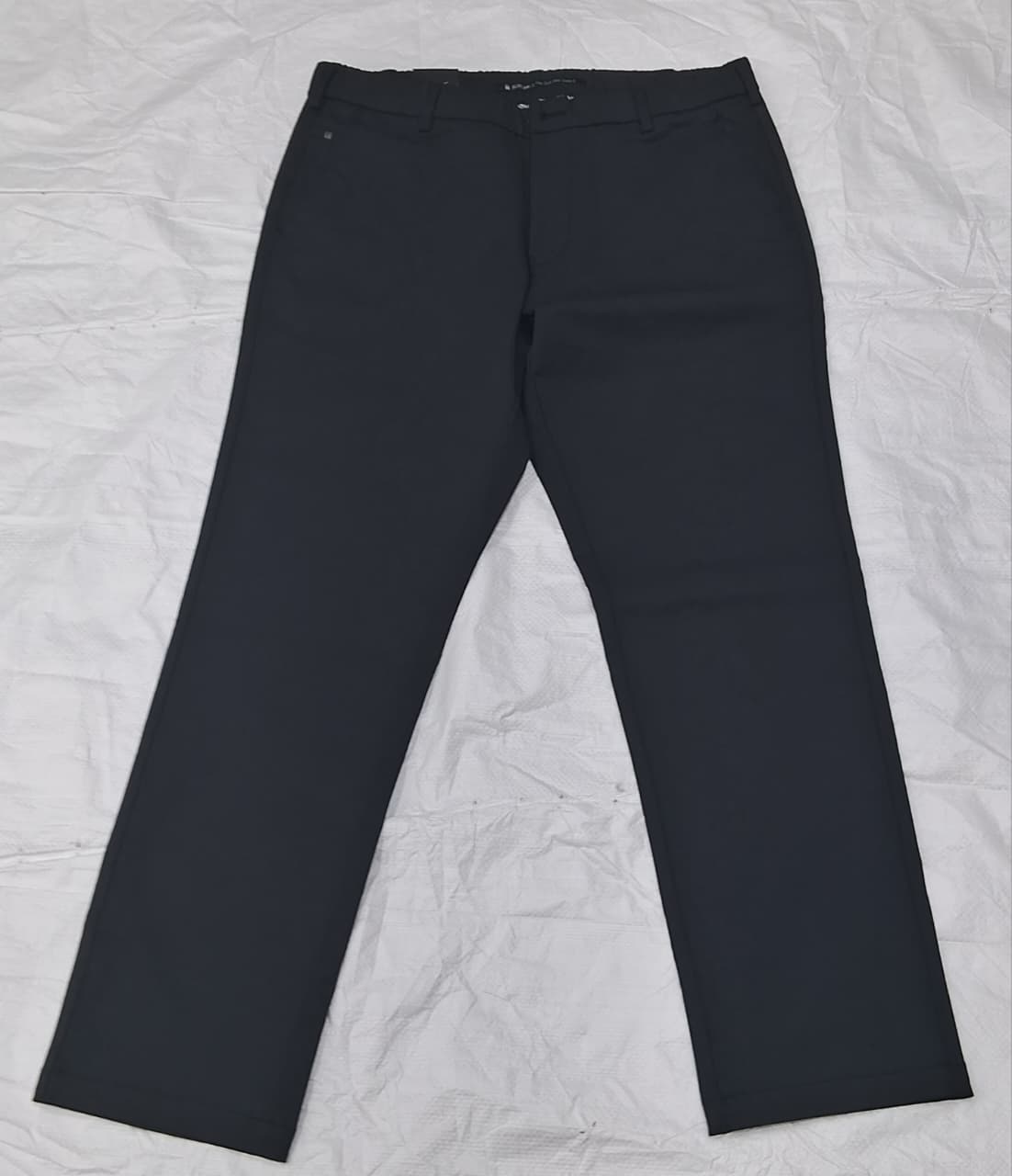
Navy trousers laid flat, used to compare leg shape from thigh to hem
Read the leg from thigh to hem

How to read a fit in the mirror

Stand side-on. A good fit shows a smooth line from the seat down the back of the leg, with no sagging below the seat and no pulling across the front of the thigh. The crease should run straight down the centre of the leg rather than twisting.

Why fits feel different between makers

Each pattern balances rise, seat, thigh and opening differently. A “slim” from one maker may be close to another’s “regular”. That is why trying on, or comparing garment measurements where they are provided, is more reliable than the label.

Comfort is part of fit

A trouser that looks right standing but pulls when you sit is the wrong fit. Sit, bend and walk before deciding. With stretch fabrics, a closer cut may still feel comfortable; with rigid cloths, allow a little more room.

Full fit consultation

ProportionEssay 03

The importance of trouser rise

The least discussed measurement may be the most important.

The rise, the distance from the crotch seam to the top of the waistband, decides where a trouser sits on the body. That single choice affects how long your legs look, how a shirt stays tucked, how comfortable you are when seated and how a jacket sits over the waist.

High rise trousers sit at or near the natural waist, around the navel. They lengthen the leg line, keep shirts securely tucked and suit pleats and classic tailoring. Mid rise sits just below the natural waist and is the most common for modern formal pants. Low rise sits on the hips; it reads casual and can let shirts untuck and show a gap of shirt below a buttoned jacket.

For most formal wardrobes, a mid to high rise is the most practical. It keeps the outfit tidy through the day and creates a longer, more balanced silhouette, especially for shorter men and anyone wearing jackets.

Diagram showing high, mid and low trouser rise relative to the natural waist NATURAL WAIST HIGHMIDLOW
Navy trousers laid flat showing the waistband and front rise
Fig. 3The rise runs from crotch seam to waistband
Brown trousers laid flat, one element of a versatile formal wardrobe
A warm neutral extends the core
WardrobeEssay 04

Building a versatile formal wardrobe

Fewer pieces, more combinations.

A versatile wardrobe isn’t about owning many trousers. It is about owning the right ones. Each new pair should work with most of the shirts, jackets and shoes you already have, multiplying your outfits rather than adding a single one.

Start with the neutrals

Charcoal and navy cover formal meetings and everyday office wear. Mid grey adds a lighter option that pairs with navy jackets. A warm neutral such as taupe, stone or brown brings softness for relaxed days and works well with brown leather.

Then add character

Once the core is in place, add texture (a fine check or herringbone) or a seasonal colour like olive. These pieces bring variety without breaking the system, because they still pair with plain shirts and classic shoes.

Keep the fit consistent

When every pair shares the same rise, leg shape and length, every outfit has the same proportions and every pair works with your shoes. Consistency of fit is what makes a wardrobe feel considered.

StylingEssay 05

How to coordinate pants with formal shirts

Contrast, harmony and a clean tuck.

The simplest rule: the shirt should be clearly lighter than the trouser for daytime business. This contrast frames the face and gives the outfit structure. White and pale blue shirts follow this rule with almost every trouser colour, which is why they are the foundation of formal dressing.

With patterned shirts, keep the trouser plain. Stripes and checks bring enough interest on their own. Reserve textured trousers for plain shirts. For a more modern look, try tonal combinations, such as a navy shirt with grey trousers or an ecru shirt with stone trousers, but keep the shoes and belt grounded in darker leather.

Shirt suggestions by trouser colour
TrouserShirtEffect
CharcoalWhite / sky blueCrisp, authoritative
NavyPale pinkWarm, approachable
GreyNavyTonal, contemporary
StoneLight blueFresh, warm-weather
BrownCreamSoft, refined

Finally, the tuck: a formal shirt should be fully tucked with a smooth front and no blousing over the waistband. A trouser with the right rise makes this effortless.

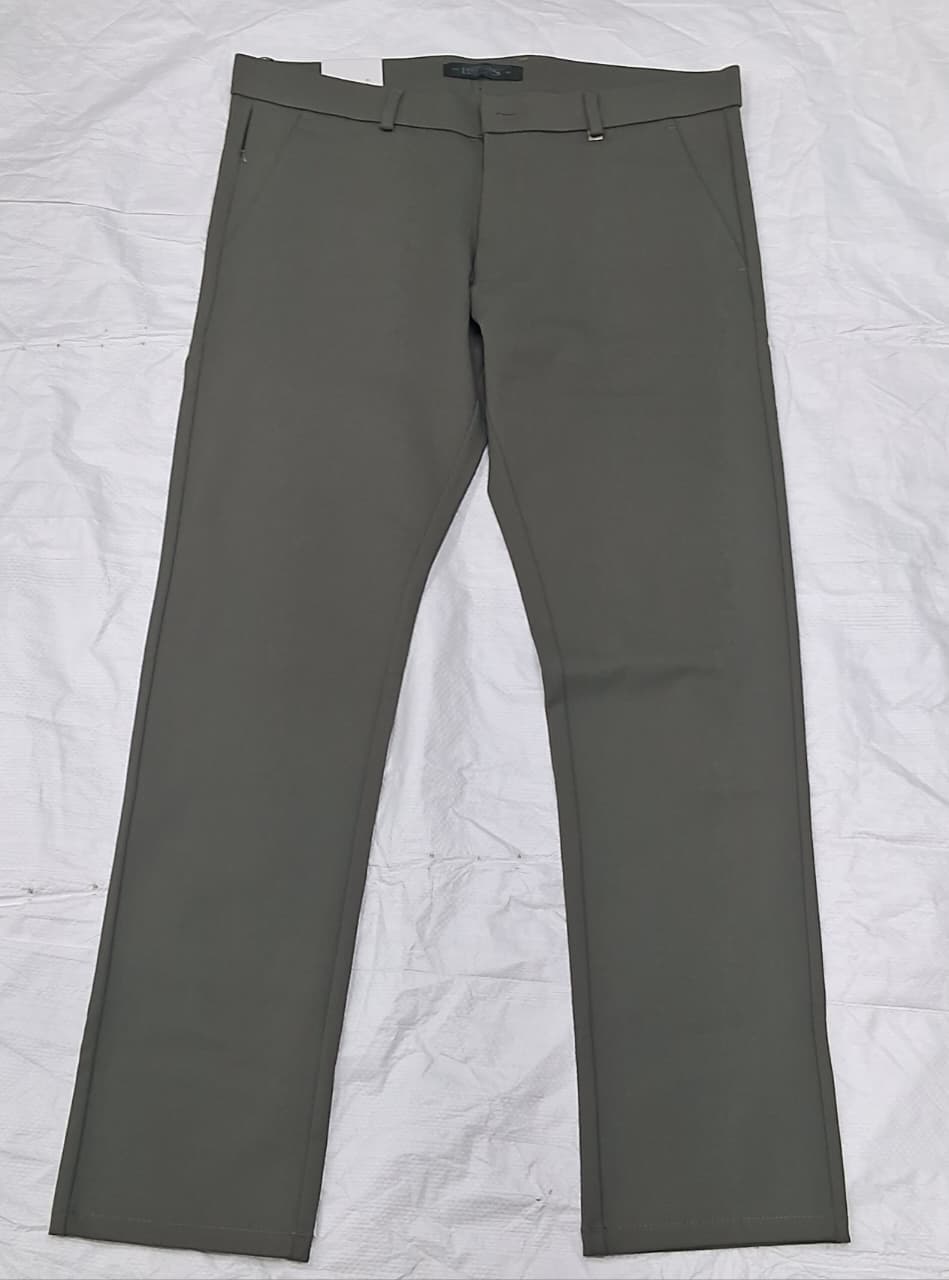
Olive green trousers laid flat, a colour that pairs with white, ecru and light blue shirts
Olive · pairs with white, ecru and light blue
ClothEssay 06

Understanding fabric drape

Why some trousers fall like water and others like card.

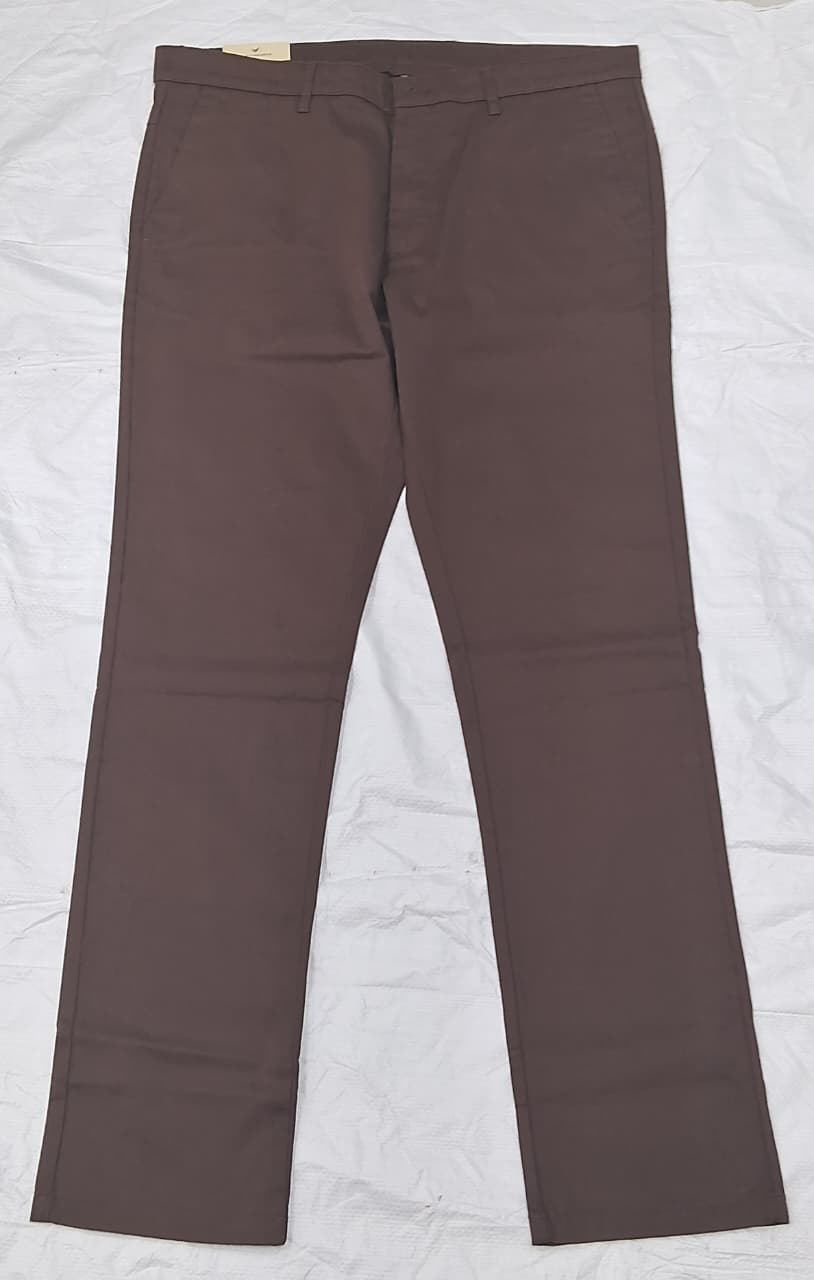
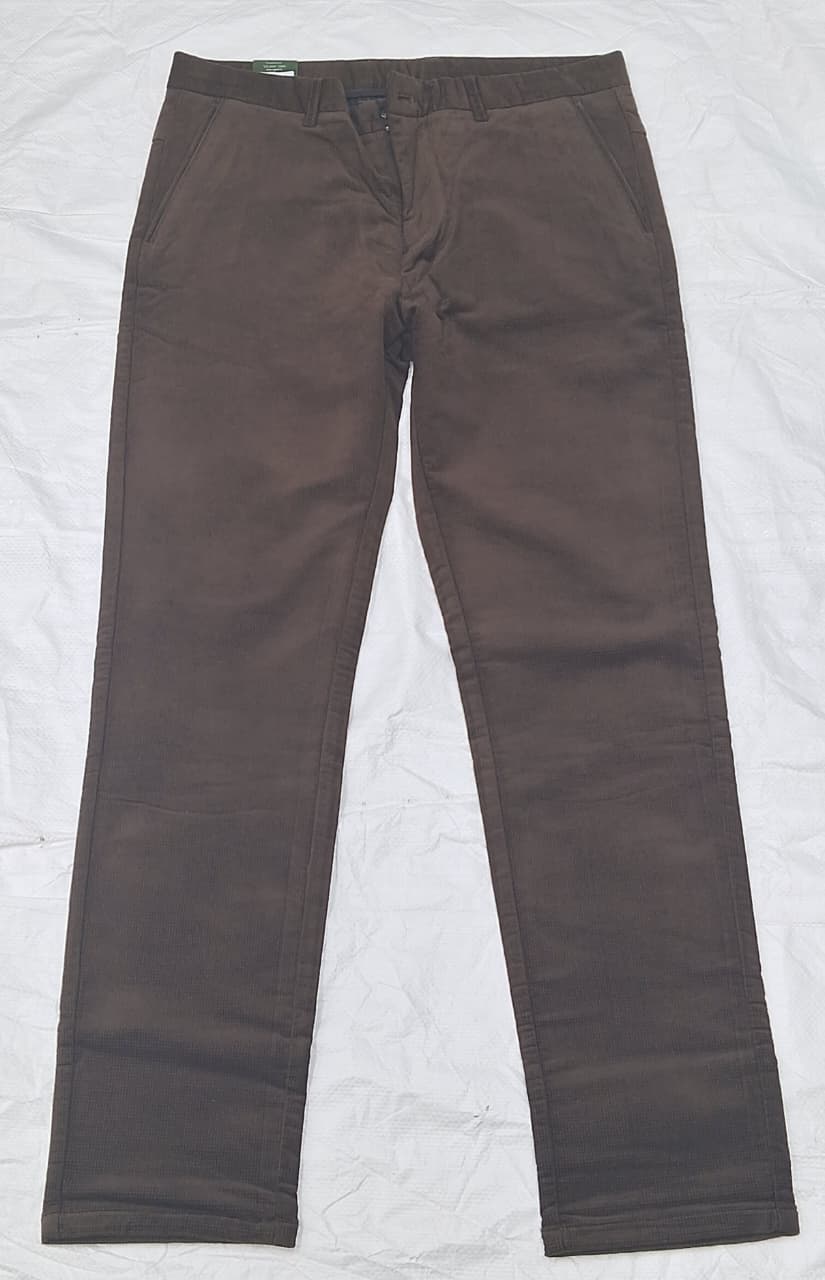
Maroon-brown trousers laid flat showing how the cloth falls
How cloth settles under its own weight

What drape is

Drape describes how a fabric hangs and folds under its own weight. A trouser with good drape falls in a smooth, vertical line from seat to hem, moves gently as you walk and settles back into place when you stop.

What affects it

Fibre, yarn, weave and weight all play a part. Wool is naturally fluid; heavier cloths hang more decisively; tightly woven, stiff fabrics stand away from the body. Finishes and blends also change how a fabric moves.

Why it matters

Drape hides small fit imperfections and keeps the crease line straight. A fabric with poor drape can make even a well-cut trouser look stiff or crumpled.

A simple test

Hold the trouser by the waistband and let it hang. Watch how quickly the legs settle and whether the crease runs straight. Then gather a little cloth in your hand and release it: good formal cloth recovers smoothly.

Visit the fabric library

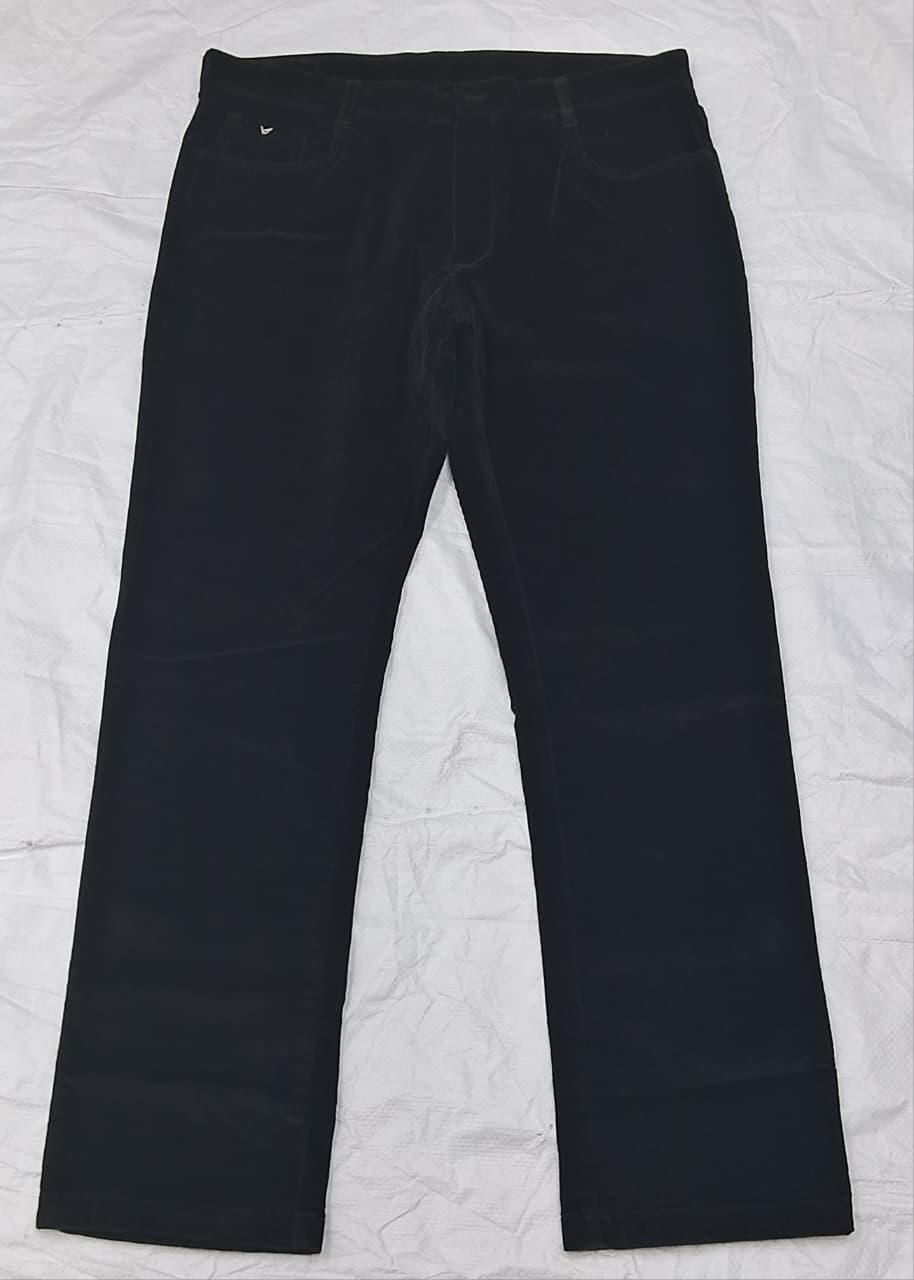
Dark navy trousers laid flat, one of the essential formal pant colours
Deep navy · the second essential
ColourEssay 07

Essential formal pant colours

Eight shades that cover nearly every professional occasion.

Formal trousers live mostly in a range of neutrals, and each one has a specific role. Build from the darkest and most versatile shades towards lighter and warmer ones, and your wardrobe will cover almost every setting.

  • Charcoal

    The first purchase. Every shirt, both leather colours, every season.

  • Navy

    Second essential. Pairs with brown leather and white or blue shirts.

  • Mid grey

    Lighter and calm. Ideal under a navy blazer.

  • Black

    Evening and ceremony. Can look severe in daylight offices.

  • Beige / stone

    Warm-weather polish; daytime events and Fridays.

  • Taupe

    A modern grey-brown with quiet character.

  • Brown

    Rich and warm; works with cream and sky-blue shirting.

  • Olive

    An earth tone for smart-casual and travel.

AdviceEssay 08

Common formal trouser styling mistakes

Small errors that undo an otherwise good outfit, and how to fix them.

  1. Wrong length

    Hems that pool over the shoe or flap above the ankle. Decide on a break and have the length set with your shoes on.

  2. Too tight, or too loose

    Pulling across the thigh or excess cloth at the seat. Choose the fit for your build, not for the label.

  3. Mismatched belt and shoes

    Brown belt, black shoes. Match the leather colour and finish.

  4. Wrong socks

    White sports socks or loud colours with formal pants. Continue the trouser colour, or go a shade darker.

  5. Neglecting the crease

    A faded or doubled crease makes trousers look tired. Press along the original line, using a cloth.

  6. Almost-matching jackets

    A jacket in nearly the same shade as the trouser looks like a broken suit. Choose a clear contrast.

  7. Overstuffed pockets

    Phones, wallets and keys distort the line of the leg and stress the pocket seams. Carry less, or use a bag.

  8. Casual shoes with formal cloth

    Chunky trainers with fine worsted trousers. Match the formality of the shoe to the cloth.

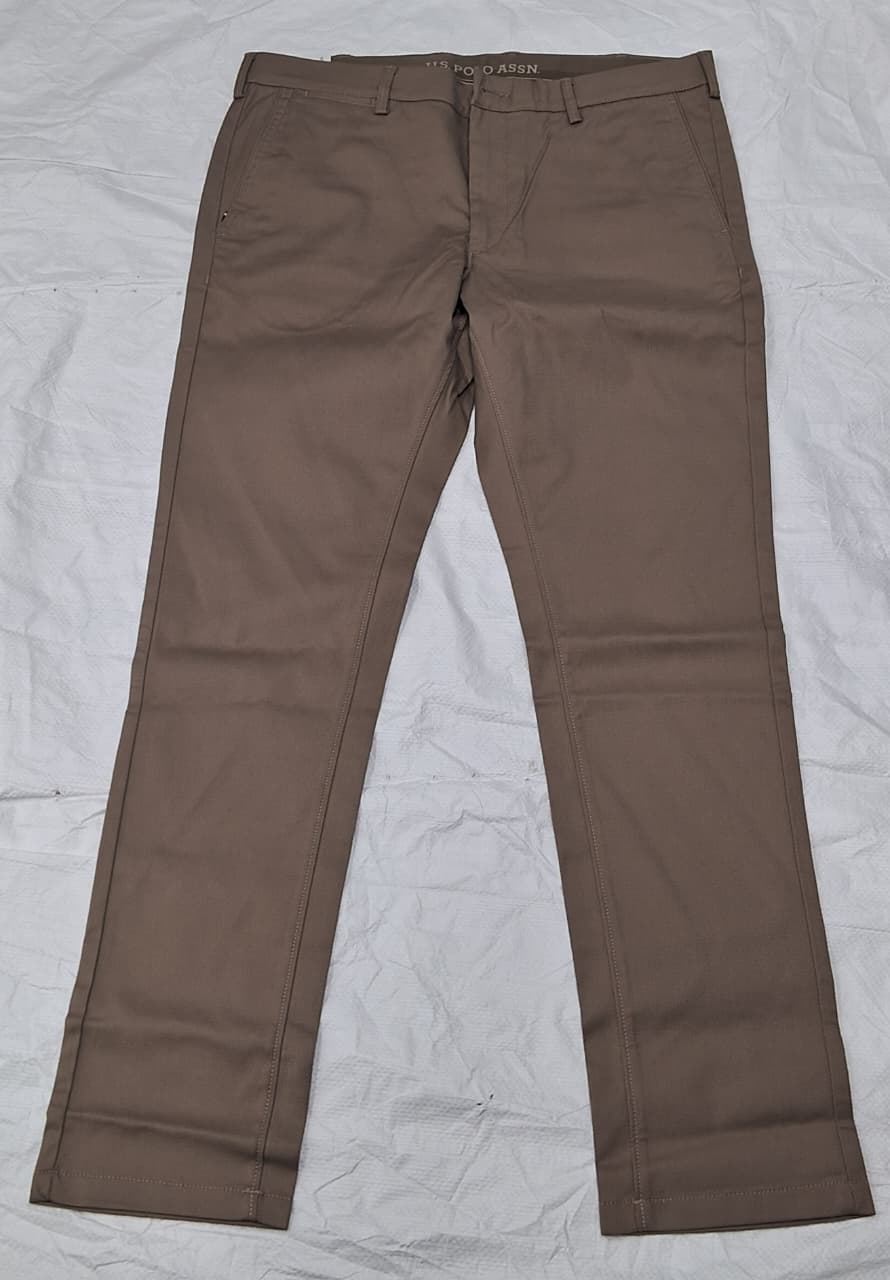
Taupe trousers laid flat with a clean crease and tidy hems
Clean crease, tidy hem: the fix for most mistakes